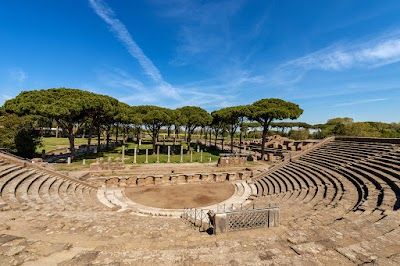
Ostia Antica is a captivating archaeological site located just outside Rome, offering an immersive glimpse into the daily life of an ancient Roman harbor city. Founded in the 4th century BC, Ostia was once Rome's bustling seaport, thriving as a commercial and residential hub at the mouth of the Tiber River. Today, visitors can wander through remarkably well-preserved ruins that span more than 90 acres, including ancient apartment complexes, baths, temples, theaters, and a forum. The site paints a vivid picture of Roman urban planning and social life, far beyond the grandeur of Rome's more famous monuments.
Walking through Ostia Antica, you'll find yourself enveloped in an atmosphere that feels both serene and evocative. Unlike the crowded streets of central Rome, Ostia Antica offers a peaceful environment where the echoes of history feel personal and tangible. The mosaics, frescoes, and stone streets speak volumes about the people who once lived, worked, and worshipped here. It's an ideal destination for history enthusiasts, archaeology buffs, and travelers seeking to explore a lesser-known but profoundly significant piece of Rome's past.
Visitors love Ostia Antica for its authenticity and accessibility. It's an excellent alternative to Pompeii, being less commercialized and offering a quieter experience. The extensive ruins are easy to navigate with well-marked paths and informative signage, supported by occasional guided tours to deepen your understanding. Whether you're marveling at the ancient theater, the Roman baths, or the warehouse complexes that once stored goods from across the Mediterranean, Ostia Antica provides a rich, layered experience that complements any trip to Rome.
Highlights
- The ancient Roman theater with its semi-circular seating and preserved stage area
- Well-preserved mosaics and frescoes in the Baths of Neptune
- The Forum, featuring the Capitolium temple and bustling market ruins
Best Time to Visit
The best time to visit Ostia Antica is during the spring (April to June) and autumn (September to October) months. During these periods, the weather is mild and pleasant, making it ideal for walking through the extensive ruins. Summers can be very hot and crowded, while winters are quieter but cooler.
Insider Tips
- 1Bring comfortable walking shoes as the site covers a large, uneven area with cobblestones.
- 2Arrive early in the morning to avoid the midday heat and to enjoy a more tranquil experience.
- 3Consider hiring an audio guide or joining a guided tour to gain deeper insights into the site's history and significance.
Frequently Asked Questions
Yes, Ostia Antica is easily accessible from Rome by taking the regional train (Linea Roma-Lido) from Porta San Paolo station. The journey takes about 30 minutes, and the archaeological site is a short walk from the Ostia Antica train station.
Yes, the site has restroom facilities near the entrance. There is also a small café and picnic areas nearby where visitors can rest and refresh during their visit.
Absolutely. Ostia Antica's open-air ruins and the chance to explore ancient buildings make it a fascinating destination for children and families. However, parents should supervise young children closely, as some areas have uneven terrain and staircases.
More Hidden Gems
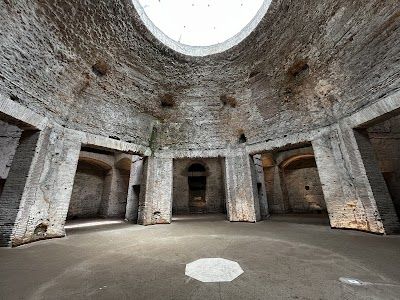
Domus Aurea
Explore the opulent ruins of Nero's Golden House, a secret marvel of ancient Rome.
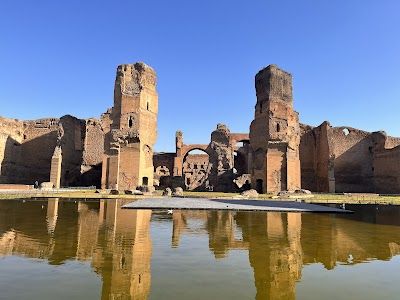
Baths of Caracalla
Immerse in ancient luxury at the majestic Baths of Caracalla, where history breathes.

Capitoline Museums
Discover ancient Rome's treasures at the breathtaking Capitoline Museums, a timeless artistic haven.
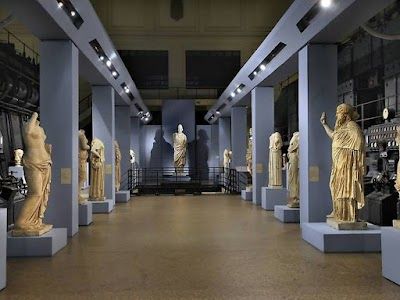
Centrale Montemartini
Experience ancient sculptures in a stunning industrial setting at Rome's Centrale Montemartini.
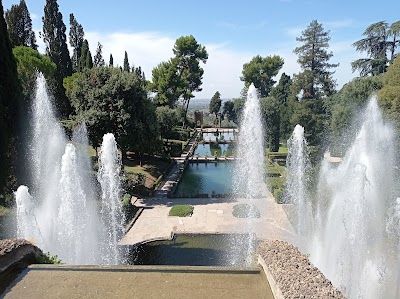
Villa d'Este
A stunning Renaissance villa, renowned for its breathtaking gardens and cascading fountains.
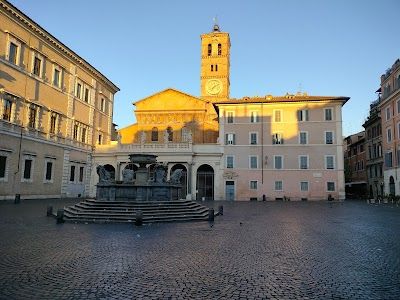
Basilica of Santa Maria in Trastevere
A stunning blend of vibrant mosaics and tranquil ambiance in Rome's charming Trastevere district.