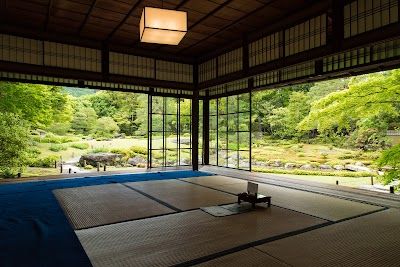
Murin-an Garden, nestled in the historic Nanzenji district of Kyoto, is a quintessential example of traditional Japanese landscape gardening. Constructed in 1894 by Komatsu Tatewaki, a prominent statesman during the Meiji era, the garden was designed to embody classical aesthetics while harmonizing with its natural surroundings. Unlike some more famous Kyoto gardens, Murin-an remains a tranquil and less crowded place, offering visitors a deeply immersive experience in a serene setting. The garden showcases a delicate balance between flowing water, precisely sculpted rocks, and lush foliage, all arranged in a stroll garden style that invites leisurely exploration.
Upon entering Murin-an, visitors can expect a beautifully orchestrated blend of natural elements and architectural features. The garden includes a large pond fed by a gentle stream that cascades over rugged stones, creating soothing water sounds that enhance the atmosphere of peaceful contemplation. Traditional wooden tea houses and resting pavilions are strategically placed to offer views of changing seasonal colors and to provide moments of quiet reflection. The craftsmanship visible in every detail reflects the harmony and fleeting beauty that Japanese gardens aim to express.
The ambiance of Murin-an is both contemplative and inviting, making it a favorite escape for locals and travelers seeking respite from Kyoto's busier tourist spots. Visitors especially appreciate the garden's quiet paths lined with moss, maple trees, and azaleas that bloom vibrantly in spring and autumn. Murin-an's restrained beauty and historical significance contribute to why visitors cherish the garden as a hidden gem - a perfect spot for those who want to connect with Japan's cultural heritage in an intimate, natural setting.
Highlights
- Meiji-era landscape design by Komatsu Tatewaki, blending historical significance with natural beauty
- The serene pond and carefully crafted waterfall providing ambient sounds and reflections
- Traditional tea houses offering picturesque viewpoints of seasonal foliage and tranquil scenery
Best Time to Visit
The best time to visit Murin-an Garden is during spring (late March to mid-April) and autumn (mid-November) when cherry blossoms and autumn leaves are at their peak, creating breathtaking color displays that complement the garden's design.
Insider Tips
- 1Visit early in the morning to enjoy the garden in peaceful solitude before larger crowds arrive.
- 2Wear comfortable walking shoes, as the garden paths can be uneven and moss-covered.
- 3Combine your visit with nearby Nanzenji Temple for a rich cultural day trip in the same district.
Frequently Asked Questions
Yes, photography is permitted, but visitors are asked to be respectful and avoid using tripods or flash to preserve the garden's atmosphere.
Murin-an Garden itself does not have a cafe, but there are several charming tea houses nearby where visitors can enjoy traditional Japanese sweets and tea after strolling the garden.
The garden features natural terrain with some uneven and mossy paths, which may be challenging for wheelchairs or those with limited mobility. Assistance or choosing alternative nearby gardens with easier access may be preferable.
More Hidden Gems
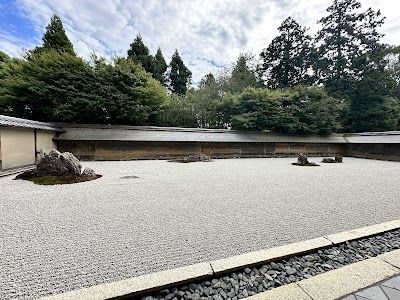
Ryōan-ji
Experience serenity at Ryōan-ji, where Zen gardens invite contemplation and tranquility.
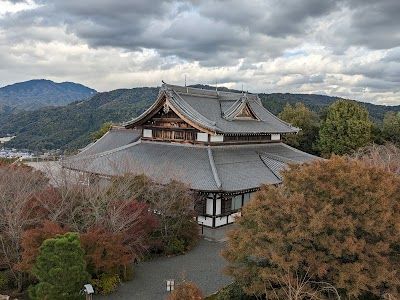
Shōgunzuka Mound
A serene overlook offering breathtaking views and rich ancient history in Kyoto's embrace.
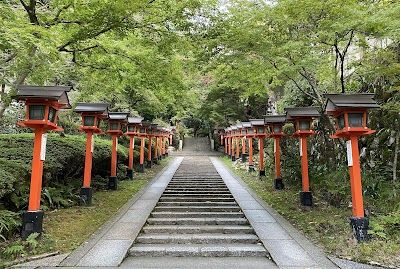
Mount Kurama
Experience serene forests, ancient temples, and mystical hot springs at Kyoto's Mount Kurama.
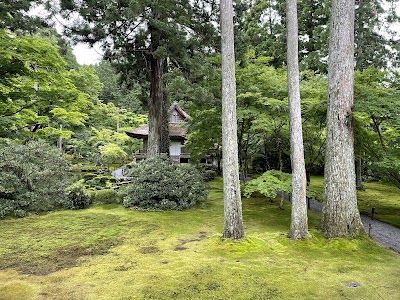
Sanzen-in Temple
Serenity envelops Sanzen-in Temple, where ancient artistry meets nature's tranquil embrace.
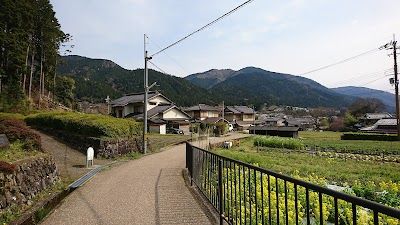
Ohara Michi
Discover tranquil pathways lined with traditional temples and lush greenery in Ohara Michi.
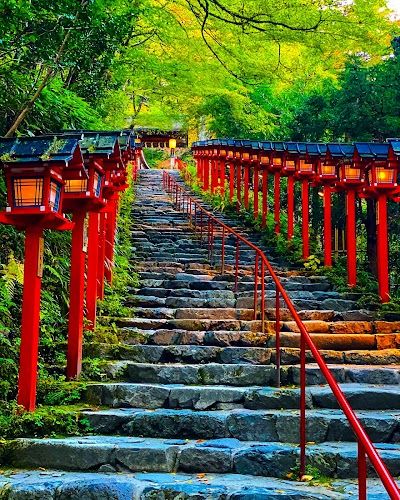
Kifune Shrine
Nestled in a serene forest, Kifune Shrine enthralls with its stunning lantern-lined path.