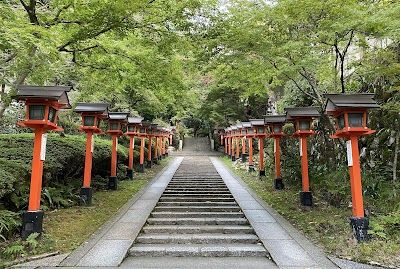
Mount Kurama, nestled just north of Kyoto city, offers visitors a unique blend of natural beauty, spiritual history, and tranquil ambiance that sets it apart from more crowded tourist destinations. This sacred mountain is renowned for its lush forests, ancient temples, and mystical hot springs, creating an atmosphere of serenity that invites meditation and reflection. Steeped in legend, Mount Kurama is believed to be the birthplace of Reiki healing energy and has been a spiritual site for centuries, with Kurama-dera Temple serving as a focal point for ascetic practice and pilgrimage.
Visitors can expect a moderately challenging hike through dense cedar forests and picturesque trails, encountering small shrines and statues tucked along the path. The hike culminates at Kurama-dera Temple, where panoramic views of the surrounding region reward adventurers. The temple complex itself features beautiful wooden architecture and offers insight into Japan's esoteric Buddhist traditions. Beyond the temple, the nearby Kurama Onsen provides a perfect opportunity to relax in mineral-rich hot spring baths while soaking in the peaceful mountain views.
What makes Mount Kurama so beloved among visitors and locals alike is its balance of cultural heritage and untouched nature. In contrast to Kyoto's bustling city temples, Kurama's relatively remote location means fewer tourists and a deeper connection to the spiritual and natural environment. Whether you come for the scenic hiking, the historic temple, or the healing waters, Mount Kurama offers a slow-paced, contemplative experience that lingers long after you leave.
Highlights
- Hiking through ancient cedar forests with tranquil mountain scenery
- Exploring Kurama-dera Temple with its rich spiritual history and architecture
- Relaxing at Kurama Onsen, a mountain hot spring with scenic views
Best Time to Visit
The best time to visit Mount Kurama is in spring (April to May) for blooming azaleas and pleasant weather, or in autumn (October to November) when the foliage transforms into vibrant reds and golds, creating stunning photographic opportunities. These seasons avoid the summer heat and winter cold, making hiking and outdoor activities more comfortable.
Insider Tips
- 1Start your hike early in the morning to avoid crowds and enjoy the peaceful forest atmosphere.
- 2Wear comfortable hiking shoes as some trails can be steep and uneven.
- 3Bring cash for small temple donations, snacks, and the onsen entrance fee, as few places accept credit cards.
Frequently Asked Questions
The hike involves moderate uphill sections and some uneven terrain, so a reasonable fitness level is recommended. Beginners can manage the climb at a slower pace and by taking breaks, making it accessible for most healthy visitors.
Yes, the easiest way to reach Mount Kurama is by taking the Eizan Electric Railway to Kurama Station. From there, the hiking trail and temples are within a short walk.
Absolutely. The onsen is accessible near Kurama Station, so visitors can choose to relax in the hot springs without undertaking the full hike if they prefer.
More Hidden Gems
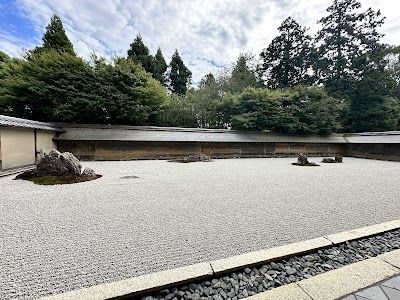
Ryōan-ji
Experience serenity at Ryōan-ji, where Zen gardens invite contemplation and tranquility.
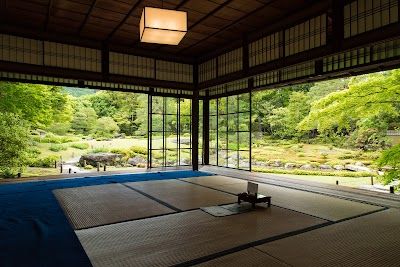
Murin-an Garden
Serene oasis in Kyoto, where nature and traditional architecture harmoniously intertwine.
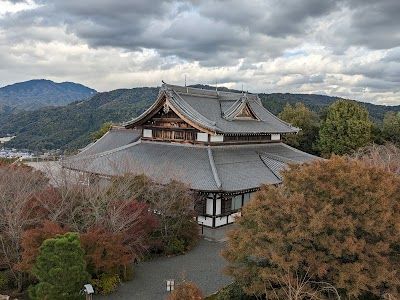
Shōgunzuka Mound
A serene overlook offering breathtaking views and rich ancient history in Kyoto's embrace.
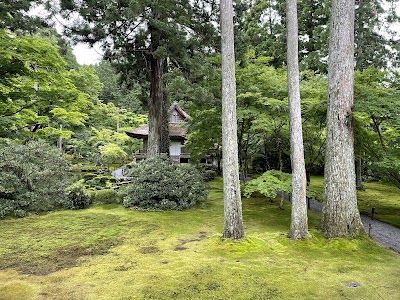
Sanzen-in Temple
Serenity envelops Sanzen-in Temple, where ancient artistry meets nature's tranquil embrace.
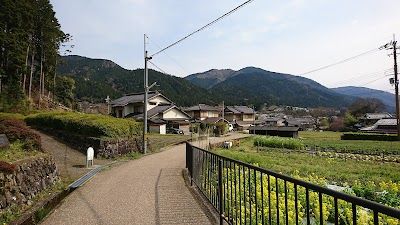
Ohara Michi
Discover tranquil pathways lined with traditional temples and lush greenery in Ohara Michi.
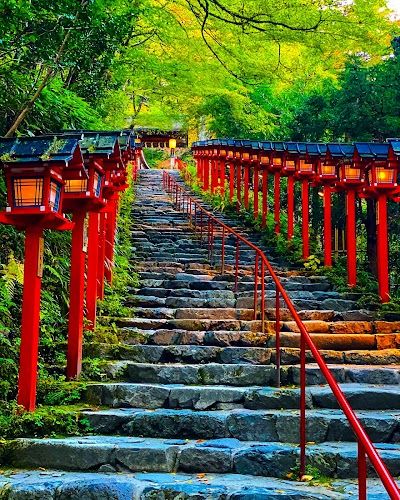
Kifune Shrine
Nestled in a serene forest, Kifune Shrine enthralls with its stunning lantern-lined path.