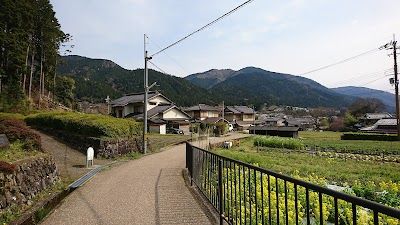
Ohara Michi is a serene walking path located in the northern outskirts of Kyoto, Japan, offering travelers a peaceful escape from the city's bustling center. This hidden gem meanders through a picturesque rural landscape dotted with ancient temples, traditional thatched-roof farmhouses, and verdant cedar forests. Historically, Ohara Michi served as a route for pilgrims and local villagers, linking the Ohara district's significant cultural sites with the greater Kyoto area. Visitors today can immerse themselves in a timeless atmosphere that blends nature, spirituality, and traditional Japanese countryside living.
As you stroll along Ohara Michi, expect to encounter a series of prominent temples including Sanzen-in with its beautifully moss-covered gardens and the small but intimate Jakko-in. These sacred spaces provide a contemplative respite framed by seasonal flora, from vibrant autumn maples to lush summer greenery. The path itself is unpaved in places, winding gently alongside rice paddies and creeks, which adds to the rustic charm and connection to nature. The tranquil ambiance, rarely crowded, makes it an ideal destination for mindful walking and photography.
Visitors love Ohara Michi for its authentic and slower-paced Kyoto experience. The relative seclusion preserves traditional architecture and rural customs rarely seen in the city core, allowing guests to experience Japan's cultural heritage in a genuine setting. The local tea houses and small eateries along the route also offer opportunities to savor matcha and seasonal cuisine, enhancing the overall sensory experience. Whether visiting during the colorful autumn months or the fresh greenery of spring, Ohara Michi appeals to travelers seeking natural beauty, historical depth, and quiet reflection.
Highlights
- Sanzen-in Temple - Famous for its moss gardens and historic temple buildings
- Jakko-in Temple - A quiet temple offering a peaceful atmosphere and beautiful forested surroundings
- Scenic rural landscapes - Picturesque rice paddies, traditional homes, and seasonal foliage
Best Time to Visit
The best time to visit Ohara Michi is during the autumn months of November to early December when the maple trees display vibrant red and orange foliage, creating a spectacular contrast against the temple gardens and countryside. Spring (April to May) is also excellent for cherry blossoms and fresh greenery, offering a similarly tranquil and colorful setting.
Insider Tips
- 1Wear comfortable walking shoes as parts of Ohara Michi are uneven and may be muddy after rain
- 2Start early in the morning to avoid crowds and experience the tranquil atmosphere at its best
- 3Consider visiting local tea houses near Sanzen-in to enjoy traditional matcha and Wagashi sweets
Frequently Asked Questions
Yes, Ohara Michi is accessible throughout the year. However, some temple buildings may have specific visiting hours or seasonal closures, so it's best to check temple websites for up-to-date information.
Absolutely. Ohara Michi is a public walking path and well signposted, making it easy to explore independently. Guided tours are available for those wanting additional historical context.
Yes, you can take a bus from Kyoto city center to the Ohara area. Bus number 17 runs from Kyoto Station or Demachiyanagi Station directly to Ohara. From the bus stop, the walking path is easily accessible.
More Hidden Gems
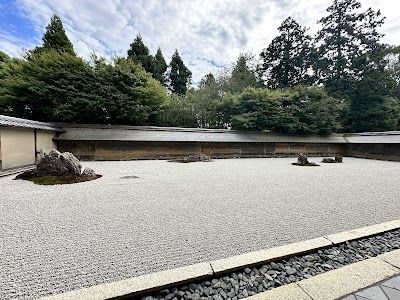
Ryōan-ji
Experience serenity at Ryōan-ji, where Zen gardens invite contemplation and tranquility.
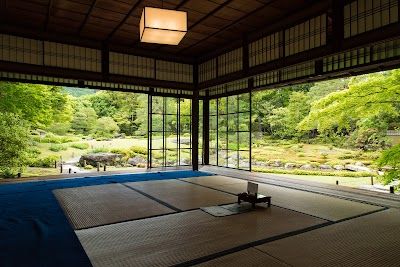
Murin-an Garden
Serene oasis in Kyoto, where nature and traditional architecture harmoniously intertwine.
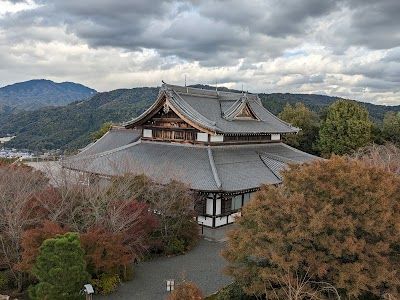
Shōgunzuka Mound
A serene overlook offering breathtaking views and rich ancient history in Kyoto's embrace.
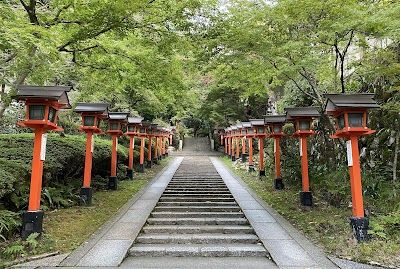
Mount Kurama
Experience serene forests, ancient temples, and mystical hot springs at Kyoto's Mount Kurama.
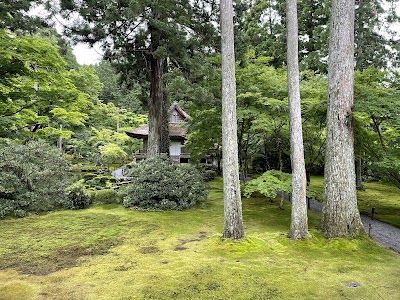
Sanzen-in Temple
Serenity envelops Sanzen-in Temple, where ancient artistry meets nature's tranquil embrace.
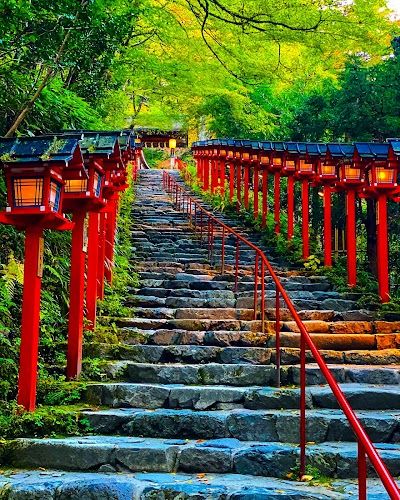
Kifune Shrine
Nestled in a serene forest, Kifune Shrine enthralls with its stunning lantern-lined path.