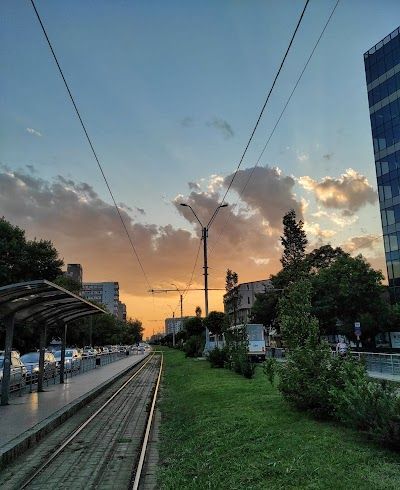
Drumul Taberei is a dynamic residential neighborhood located in the southwestern part of Bucharest, Romania. Originally developed during the communist era as a planned community in the 1960s and 1970s, it was designed to accommodate the growing working-class population with functional apartment blocks and ample green spaces. Over the decades, Drumul Taberei has evolved into a vibrant area where modern life meets a sense of community, making it an interesting destination for travelers who want to experience the authentic local vibe away from the tourist-heavy central areas.
Visitors to Drumul Taberei can expect a lively neighborhood atmosphere characterized by bustling streets, open markets, parks, and inviting cafes. One of its most cherished features is the Drumul Taberei Park, a large green oasis perfect for leisurely walks, jogging, or simply relaxing among locals. The neighborhood is well-serviced by public transportation, including the Bucharest Metro Line M5, which links it conveniently to the city center and other neighborhoods. Despite its communist-era architectural roots, pockets of modern development and vibrant street art add a contemporary flair.
What makes Drumul Taberei attractive to visitors is its warm community feeling and the authentic daily life showcased through local shops, eateries, and family-friendly spaces. Travelers enjoy exploring the neighborhood's markets where fresh produce and Romanian specialties can be sampled, as well as attending occasional cultural events and festivals in the neighborhood's public squares or park. Its somewhat off-the-beaten-path nature offers a tranquil contrast to the busy tourist hubs, giving visitors a unique glimpse into Bucharest's everyday culture.
Highlights
- Drumul Taberei Park - Large urban green space with walking paths, playgrounds, and a serene lake
- Local markets - Authentic Romanian food markets offering fresh produce and traditional snacks
- Metro Line M5 - Modern metro connection providing easy access to Bucharest center and other districts
Best Time to Visit
The best time to visit Drumul Taberei is during the late spring to early autumn months (May to September) when the weather is pleasant for enjoying outdoor activities in the park and exploring street markets. Summers are warm but manageable, while spring and early autumn offer mild temperatures and fewer crowds.
Insider Tips
- 1Visit Drumul Taberei Park early in the morning or late afternoon for a peaceful walk and to see locals exercising.
- 2Try traditional Romanian snacks such as placinta (savory pies) and covrigi (pretzel-like breads) at local markets.
- 3Use the M5 metro line to combine your visit with a quick trip to central Bucharest or other neighborhoods.
Frequently Asked Questions
Yes, Drumul Taberei is generally safe for visitors, with a strong community presence and low crime rates. As with any urban area, it's recommended to stay aware of your surroundings and avoid poorly lit areas at night.
You can easily reach Drumul Taberei by taking the Bucharest Metro's M5 line from central stations such as Eroilor. Alternatively, several bus routes connect the neighborhood to other parts of the city.
Yes, Drumul Taberei offers a variety of local eateries, casual cafes, and bakeries where you can try Romanian cuisine and enjoy neighborhood hospitality.
More Neighborhoods to Explore
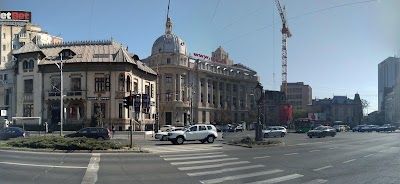
Piata Romana
A vibrant hub blending history, culture, and modernity in Bucharest's bustling heart.
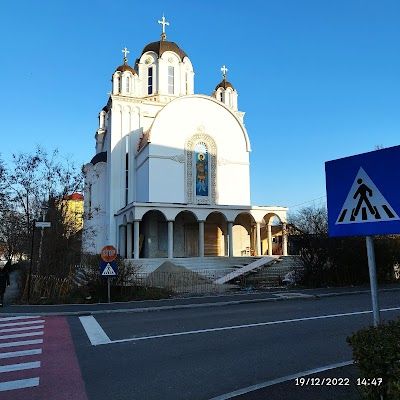
Dorobanți
Discover Dorobanți, Bucharest's chic enclave of vibrant cafes, upscale boutiques, and lively culture.
Pipera
Pipera, Bucharest's vibrant hub, blends modernity with leafy parks and chic dining spots.

Aviatorilor
Aviatorilor enchants with its elegant architecture, lush parks, and vibrant cultural scene.
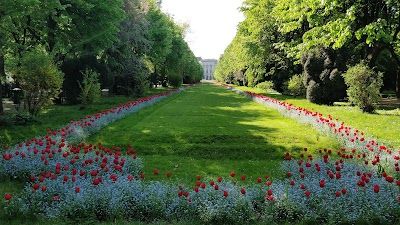
Cismigiu Gardens
Serene oasis in Bucharest, Cismigiu Gardens offers enchanting landscapes and tranquil lake views.
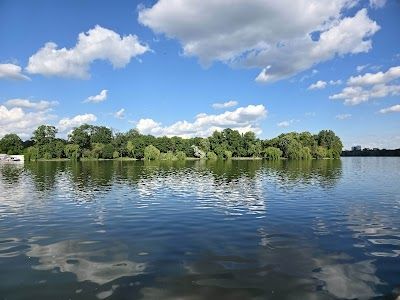
"King Michael I" Park
A serene oasis in Bucharest, King Michael I Park offers stunning landscapes and rich history.