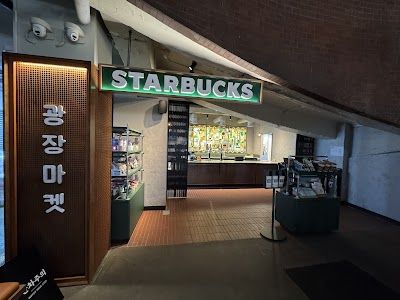
Gwangjang Market, located in the heart of Seoul, South Korea, is one of the oldest and most iconic traditional markets in the city. Established in 1905 during the Joseon Dynasty, the market has evolved into a bustling hub that blends rich cultural heritage with vibrant street food culture. Visitors are drawn to its authentic atmosphere where vendors proudly serve homemade Korean delicacies and traditional textiles side by side, reflecting a uniquely Korean shopping and dining experience.
When you step into Gwangjang Market, expect a sensory feast as the lively aroma of sizzling food permeates the air. The market's narrow alleyways are lined with countless food stalls offering everything from bindaetteok (mung bean pancakes) and mayak gimbap (mini seaweed rice rolls) to spicy tteokbokki and freshly prepared bibimbap. The vibrant atmosphere is enhanced by friendly vendors and the hustle and bustle of locals and tourists alike, creating a truly immersive and authentic Korean street food experience.
What makes Gwangjang Market particularly beloved is its ability to preserve traditional Korean flavors while welcoming modern palates. The communal seating areas invite strangers to share tables, fostering social interaction and a communal dining spirit. Aside from food, the market is also famous for its quality hanbok fabrics and vintage clothing, adding to its appeal. Visitors often describe their visit as a journey through Seoul's true cultural heart, where every bite is steeped in history and every corner hums with life.
Highlights
- Try the famous bindaetteok (mung bean pancakes) made fresh at lively food stalls.
- Sample mayak gimbap, small addictive seaweed rice rolls unique to the market.
- Explore traditional Korean textiles and vintage clothing in the bustling fabric alley.
Best Time to Visit
Late morning to early afternoon (around 10:00 AM to 2:00 PM) is ideal to avoid the heaviest crowds and enjoy freshly prepared dishes. Weekdays are less crowded compared to weekends, allowing a more relaxed exploration.
Insider Tips
- 1Bring cash in Korean won, as many vendors do not accept credit cards.
- 2Try sharing dishes with friends to sample a variety of foods without getting too full.
- 3Visit on a weekday morning if you prefer a less crowded experience and fresher food.
Frequently Asked Questions
While the main aisles are relatively flat, the market's narrow pathways and crowding can make navigation challenging for wheelchairs. Some food stalls may have limited accessibility. It's recommended to visit during less busy hours and consider assistance if necessary.
Yes, some stalls offer vegetarian-friendly dishes such as vegetable bibimbap and mung bean pancakes without meat. However, cross-contamination with meat-based ingredients is possible, so it's best to ask vendors directly for vegetarian options.
Most vendors primarily speak Korean, but many are familiar with basic English phrases due to the market's popularity with tourists. Pointing to food items or using translation apps usually helps facilitate ordering.
More Local Markets
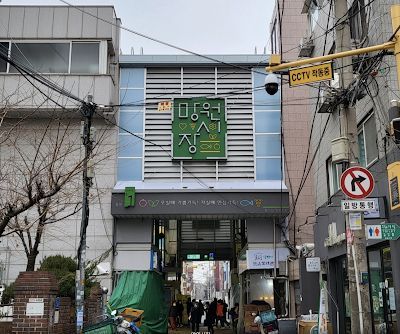
Mangwon Market
Discover vibrant street food and local delicacies at Seoul's lively Mangwon Market.
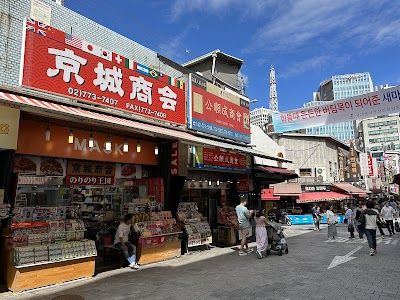
Namdaemun Market
Explore Namdaemun Market's vibrant stalls, where tradition meets modern delights in Seoul's heart.
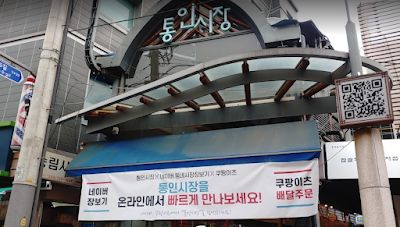
Tongin Traditional Market
Experience Seoul's vibrant flavors at Tongin Market, where traditional food meets unique coin-based dining.
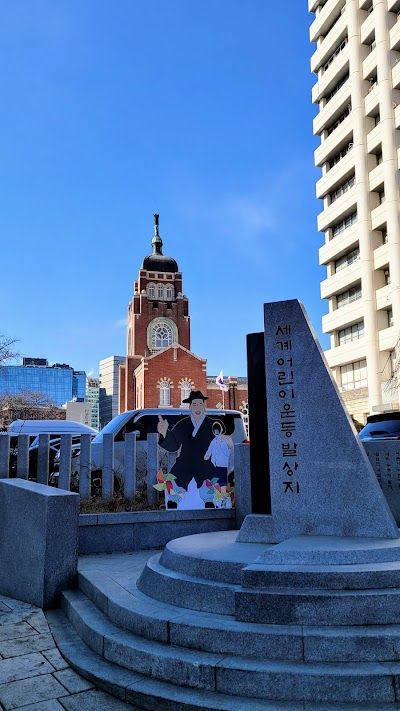
Jongno District
Vibrant Jongno District pulses with traditional markets, street food, and cultural treasures awaiting discovery.
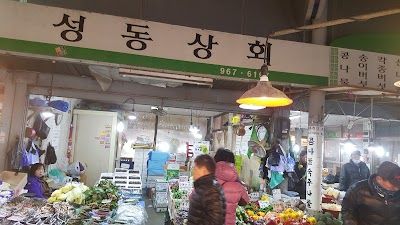
Gyeongdong Market
Immerse yourself in Seoul's vibrant Gyeongdong Market, a treasure trove of traditional herbs and street food.
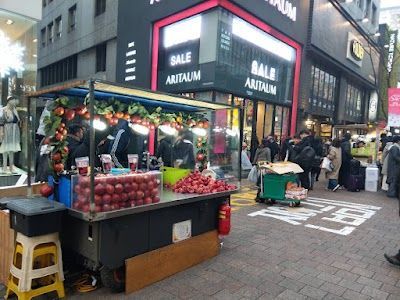
Myeongdong Night Market
A vibrant foodie paradise, Myeongdong Night Market dazzles with street snacks and lively atmosphere.