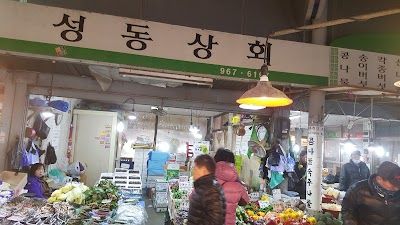
Gyeongdong Market, located in the Dongdaemun district of Seoul, is one of South Korea's largest and most famous traditional markets specializing in medicinal herbs and Korean dried goods. Established in 1960, the market has grown into a sprawling hub of health-related products and a foodie destination, attracting locals and tourists who are keen to explore Korea's rich herbal medicine heritage. Walking through its labyrinthine alleys, visitors find themselves surrounded by countless stalls and shops filled with exotic roots, ginseng, dried mushrooms, medicinal teas, and other traditional ingredients fundamental to Korean wellness culture.
Aside from medicinal herbs, Gyeongdong Market also offers a lively street food scene where authentic Korean flavors come alive. Food stalls and small restaurants serve specialties like bindaetteok (mung bean pancakes), spicy tteokbokki (rice cakes), and freshly made kimchi, allowing travelers to have an immersive culinary experience amid the bustling market atmosphere. The sounds of vendors calling out, the vibrant colors of fresh produce and herbs, and the smell of traditional spices and foods create a sensory adventure highlighting Seoul's living history.
Visitors to Gyeongdong Market appreciate its unique blend of cultural heritage and vibrant community life. The market is especially popular during the morning hours when medicinal herb merchants gather for wholesale transactions, offering a glimpse into the traditional Korean medicine trade. The atmosphere combines the hustle and bustle of a working market with the inviting charm of an open-air museum of Korean health culture. Its rich history, diverse products, and authentic street food make it a must-visit destination for travelers interested in traditional markets, Korean culture, and food.
Highlights
- Extensive selection of traditional Korean medicinal herbs and roots
- Authentic street food stalls serving local favorites like bindaetteok and tteokbokki
- Busy wholesale market atmosphere offering insight into South Korea's herbal medicine trade
Best Time to Visit
Early mornings from 7 AM to 10 AM are the best to visit for experiencing the wholesale herb market at its busiest and freshest, while late mornings to early afternoons are ideal for sampling street food and casual shopping.
Insider Tips
- 1Bring cash as many small vendors do not accept credit cards.
- 2Visit in the morning for the freshest herbs and to see the wholesale transactions in action.
- 3Try street food snacks between shopping but save room for a hearty Korean meal nearby.
Frequently Asked Questions
No, entry to Gyeongdong Market is completely free for all visitors.
Most shops and stalls open early in the morning around 7 AM and close by early evening, around 6 PM, though some street food vendors may stay open later.
Yes, tourists can buy medicinal herbs and traditional health products. Vendors are generally helpful and can assist with recommendations, but it's useful to have a basic understanding or a translator.
More Local Markets
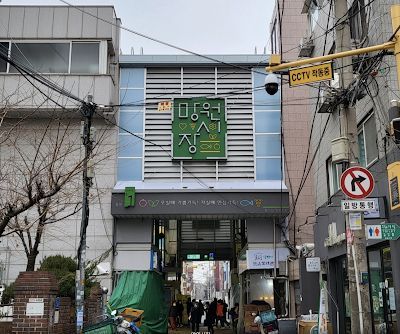
Mangwon Market
Discover vibrant street food and local delicacies at Seoul's lively Mangwon Market.
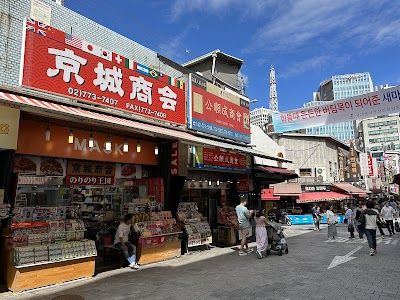
Namdaemun Market
Explore Namdaemun Market's vibrant stalls, where tradition meets modern delights in Seoul's heart.
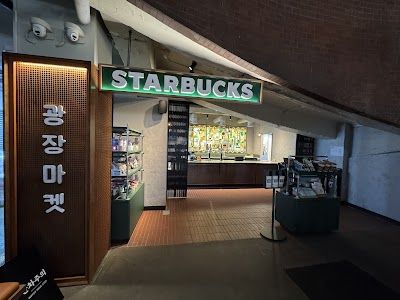
Gwangjang Market
Savor authentic Korean street food amidst vibrant stalls and rich cultural heritage.
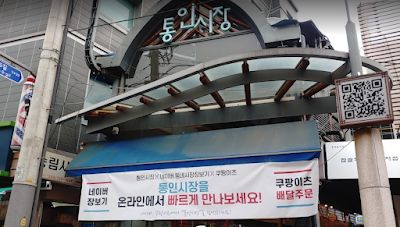
Tongin Traditional Market
Experience Seoul's vibrant flavors at Tongin Market, where traditional food meets unique coin-based dining.
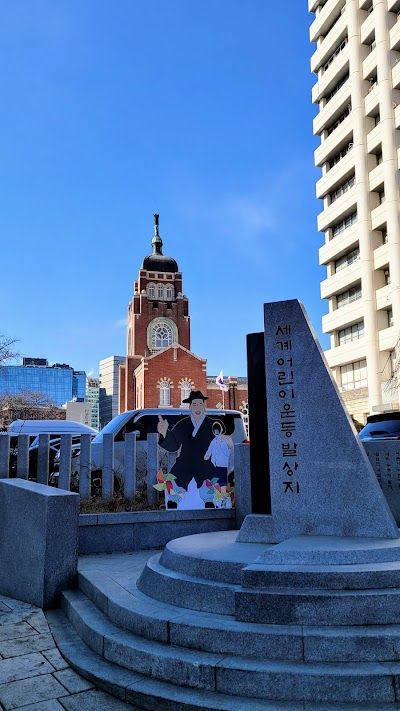
Jongno District
Vibrant Jongno District pulses with traditional markets, street food, and cultural treasures awaiting discovery.
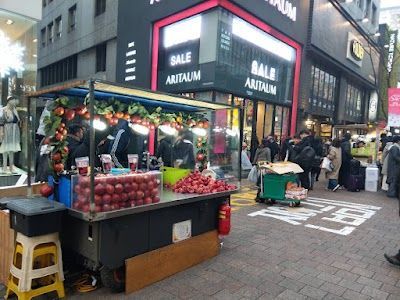
Myeongdong Night Market
A vibrant foodie paradise, Myeongdong Night Market dazzles with street snacks and lively atmosphere.