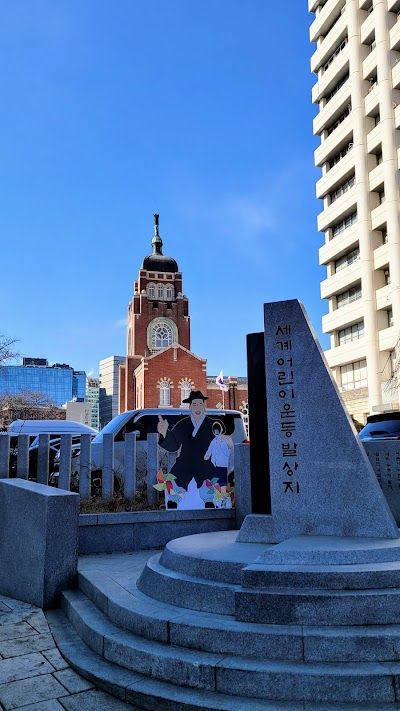
Jongno District in Seoul, South Korea, is a vibrant hub that beautifully preserves the essence of traditional Korean culture amidst a dynamic urban backdrop. Known for its bustling traditional markets, Jongno offers visitors a captivating glimpse into Korea's rich heritage. The area has been a historic center of commerce and culture since the Joseon Dynasty, and today it is home to iconic markets like Gwangjang Market and Tongin Market, where the aroma of street food mingles with the chatter of local vendors. Walking through Jongno's streets, visitors experience an electric atmosphere where age-old traditions meet contemporary Seoul life.
Visitors to Jongno can expect a feast for the senses. The markets are alive with stalls selling everything from handmade hanbok (traditional clothing) and Korean ceramics to fresh produce, textiles, and souvenirs. Food lovers delight in sampling authentic Korean delights such as bindaetteok (mung bean pancakes), mayak kimbap (mini rice rolls), and hotteok (sweet filled pancakes). The district's narrow alleys and labyrinthine market paths encourage exploration and surprise, as every corner reveals new colors, sounds, and tastes.
The atmosphere in Jongno combines the old-world charm with a youthful, energetic vibe created by locals, artisans, and tourists alike. Cultural landmarks intersperse the marketplace, including small temples and teahouses that offer a quiet retreat from the hustle. Visitors love Jongno for its authenticity; it remains largely unaffected by overcommercialization, allowing a genuine experience of traditional Korean daily life and cuisine. Whether you are a history buff, a foodie, or a shopping enthusiast, Jongno District offers an immersive, unforgettable journey into Korea's past and present.
Highlights
- Gwangjang Market - one of Korea's oldest traditional markets famed for diverse street food and vintage clothing
- Tongin Market - unique lunchbox café experience where you can fill a tray with various local dishes using traditional tokens
- Insadong Street nearby - renowned for Korean antiques, art galleries, and traditional tea houses
Best Time to Visit
Spring (April to June) and autumn (September to November) are the best times to visit Jongno District, as the weather is mild and pleasant for exploring outdoor markets and strolling through the streets. These seasons also avoid the extreme cold of winter and the humid heat of summer, making market visits comfortable and enjoyable.
Insider Tips
- 1Go early in the day to avoid peak crowds and have better access to fresh street food offerings.
- 2Bring Korean won in cash, as many small vendors may not accept credit cards.
- 3Try the mayak kimbap and bindaetteok at Gwangjang Market, local favorites that give a true taste of traditional Korean street food.
Frequently Asked Questions
Most traditional markets in Jongno are open daily, but individual vendor schedules can vary. Generally, markets like Gwangjang and Tongin open from late morning until evening, with some shops closed on certain holidays or Sundays. It's best to check specific market hours ahead of your visit.
While Korean cuisine is often meat-centric, Jongno's markets do offer some vegetarian-friendly street food options such as vegetable pajeon (scallion pancakes) and various rice-based dishes. However, it's advisable to ask vendors about ingredients or look for dedicated vegetarian stalls. Some nearby cafes in Insadong also cater to vegetarian and vegan diets.
Jongno is well-connected via Seoul's extensive subway network. The closest subway stations for major markets are Jongno 5-ga Station (Line 1) for Gwangjang Market and Jongno 3-ga Station (Lines 1, 3, and 5) for access to Tongin Market. From these stations, markets are within easy walking distance.
More Local Markets
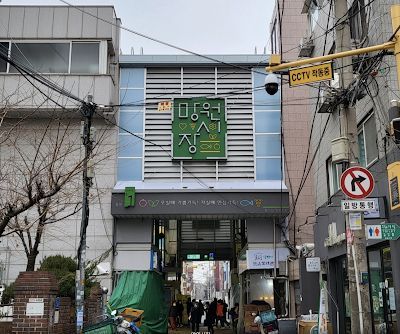
Mangwon Market
Discover vibrant street food and local delicacies at Seoul's lively Mangwon Market.
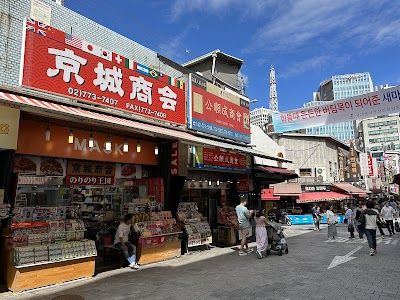
Namdaemun Market
Explore Namdaemun Market's vibrant stalls, where tradition meets modern delights in Seoul's heart.
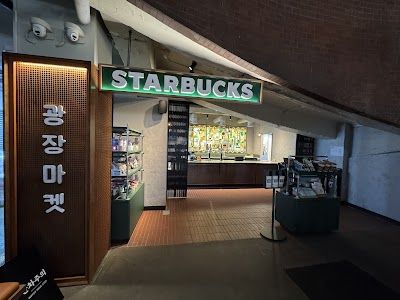
Gwangjang Market
Savor authentic Korean street food amidst vibrant stalls and rich cultural heritage.
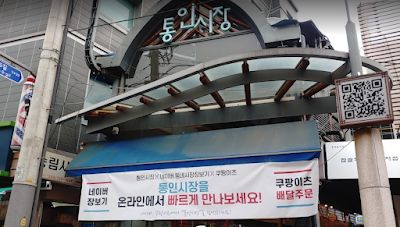
Tongin Traditional Market
Experience Seoul's vibrant flavors at Tongin Market, where traditional food meets unique coin-based dining.
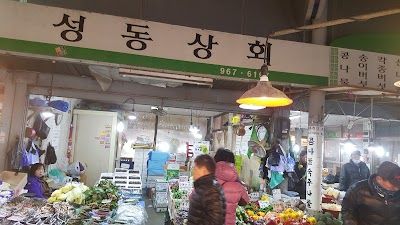
Gyeongdong Market
Immerse yourself in Seoul's vibrant Gyeongdong Market, a treasure trove of traditional herbs and street food.
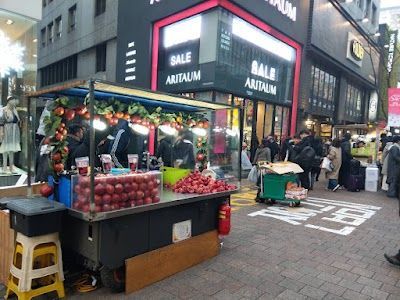
Myeongdong Night Market
A vibrant foodie paradise, Myeongdong Night Market dazzles with street snacks and lively atmosphere.