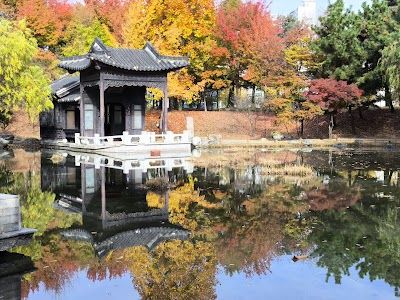
Wolhwawon is a tranquil and beautifully landscaped garden located in Suwon, Gyeonggi-do, South Korea, renowned for its harmonious blend of traditional Korean horticulture and serene natural aesthetics. Established to offer visitors a peaceful retreat from the bustling city life, Wolhwawon combines historical garden design principles with modern landscaping techniques, creating an environment that is both culturally enriching and visually captivating. The garden serves as a cultural gem showcasing Korea's respect for nature and artistry in garden-making, inviting visitors to slow down and immerse themselves in calmness and beauty.
Visitors to Wolhwawon can expect to wander through meticulously maintained flower beds, reflecting ponds, traditional pavilions, and winding pathways that encourage contemplation and relaxation. The garden often features seasonal blooms, allowing guests to experience varying floral displays throughout the year. The atmosphere is tranquil, perfect for quiet strolls, photography, or simply sitting and enjoying the natural sounds and sights. The presence of traditional architectural elements within the garden grounds reinforces its cultural significance and enhances the overall aesthetic experience.
What makes Wolhwawon especially beloved is its location within Suwon, a city famous for its history and UNESCO World Heritage fortress, Hwaseong Fortress. This proximity allows visitors to complement their historical sightseeing with a serene nature experience. Locals and tourists alike treasure Wolhwawon as a retreat to appreciate Korea's gardening heritage and find respite amid lush greenery. Its accessibility and peaceful ambiance make it a favored destination for families, couples, and solo travelers seeking calm and natural beauty within an urban environment.
Highlights
- Traditional Korean garden design with ponds and pavilions
- Seasonal flower displays and diverse plant species
- Peaceful walking trails perfect for relaxation and photography
Best Time to Visit
Spring (April to June) and autumn (September to November) are the best times to visit Wolhwawon, as the garden showcases vibrant blossoms and pleasant weather, ideal for outdoor strolls and photography.
Insider Tips
- 1Visit early in the morning or late afternoon to avoid crowds and enjoy the soft natural light.
- 2Bring a camera or smartphone with good zoom to capture intricate details of traditional garden structures and seasonal flowers.
- 3Wear comfortable walking shoes as the garden paths are extensive but mostly flat.
Frequently Asked Questions
Wolhwawon features mostly flat and paved walking paths, making it generally accessible for wheelchairs. However, some smaller paths and garden areas may be uneven, so it's advisable to check with the onsite staff if assistance is needed.
Wolhwawon does not typically offer official guided tours, but informational signage is available throughout the garden. Visitors can also book private guides in Suwon who may include Wolhwawon in a broader city tour.
Picnic areas are not officially designated within Wolhwawon, and visitors are encouraged to preserve the garden's cleanliness and tranquility. Light snacks are acceptable, but larger meals or gatherings should be planned outside the garden grounds.
More Top Attractions
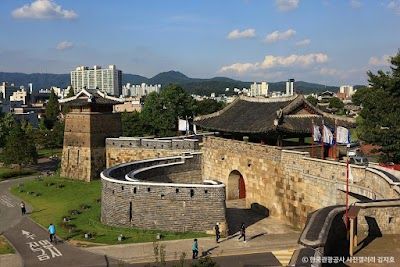
Suwon Hwaseong Fortress
Explore the majestic Suwon Hwaseong Fortress, a UNESCO site showcasing remarkable 18th-century architecture.

Starfield Suwon
Discover vibrant shopping, entertainment, and dining at Starfield Suwon's iconic urban oasis.
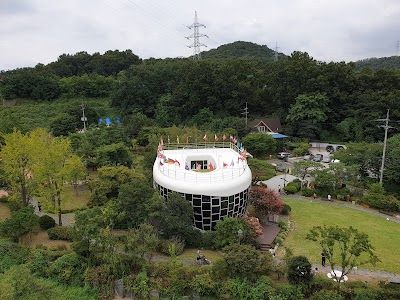
Mr. Toilet House
Marvel at the quirky Mr. Toilet House, celebrating sanitation with whimsical architecture in Suwon!
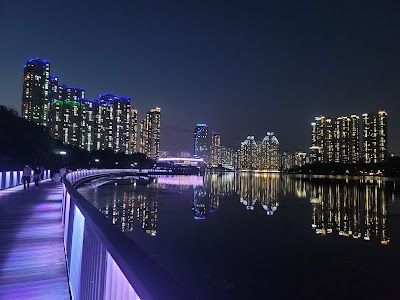
Gwanggyo Lake Park
Stunning lakeside scenery, serene walking paths, and vibrant nature await at Gwanggyo Lake Park.

Suwon KT Wiz Park
Experience thrilling baseball action and vibrant culture at Suwon KT Wiz Park!

Manseok Park Sports Field
Experience vibrant sports culture and scenic beauty at Suwon's Manseok Park Sports Field.