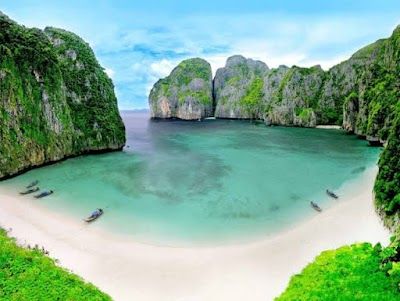
The Phi Phi Islands, located in the Andaman Sea between Phuket and the western shores of the mainland in Krabi Province, Thailand, are an iconic tropical destination renowned for their stunning natural beauty. Historically, the islands were relatively isolated fishing villages until tourism development began in the 1980s, rapidly transforming them into a vibrant hotspot for travelers seeking pristine beaches and coral reefs. The islands gained international fame after being featured in the 2000 film 'The Beach,' starring Leonardo DiCaprio, which highlighted their breathtaking landscapes.
Visitors to the Phi Phi Islands can expect a spectacular array of limestone cliffs rising dramatically from crystal-clear turquoise waters, powdery white sandy beaches, and vibrant marine life. Popular activities include snorkeling among colorful reefs, diving to explore underwater caves and reefs, cliff jumping, or simply relaxing on the shores of Maya Bay and Loh Dalum Bay. The atmosphere combines both a lively party scene in Phi Phi Don and a tranquil, nature-focused vibe in other less developed islands within the group.
What makes the Phi Phi Islands a favorite among travelers is the perfect blend of adventure, natural splendor, and cultural charm. The islands offer a chance to experience unspoiled tropical beauty while remaining accessible from Phuket or Krabi via boat. Visitors often rave about the warm hospitality of local residents, delicious Thai cuisine served beachside, and spectacular sunsets that paint the sky in vibrant hues. Despite its popularity, many parts of the Phi Phi Islands remain serene escapes where visitors can immerse themselves in nature's wonders.
Highlights
- Maya Bay - famous for its crystal-clear waters and dramatic cliffs, perfect for swimming and snorkeling
- Viking Cave - renowned for ancient cave paintings and swiftlet nests, a unique cultural and natural site
- Viewpoint on Phi Phi Don - offers panoramic vistas of the islands' lush landscapes and ocean
Best Time to Visit
The best time to visit the Phi Phi Islands is during the dry season from November to April when the weather is sunny, the sea is calm, and visibility for snorkeling and diving is excellent.
Insider Tips
- 1Arrive early in the morning to Maya Bay to avoid crowds and enjoy the bay at its most peaceful.
- 2Bring reef-safe sunscreen to protect the vibrant marine ecosystem while snorkeling or diving.
- 3Consider staying overnight on Phi Phi Don to experience the calmer evening atmosphere and avoid the busiest day trip crowds.
Frequently Asked Questions
The most common way to reach the Phi Phi Islands from Phuket is by taking a ferry or speedboat from Rassada Pier. The ferry takes about 1.5 to 2 hours, while speedboats take around 45 minutes to 1 hour. Tickets can be purchased in advance or at the pier.
Yes, the Phi Phi Islands are generally safe for snorkeling and swimming. However, visitors should be cautious of strong currents in some areas, follow local guidelines, and avoid touching or stepping on coral reefs to protect the environment.
While it's possible to book tours on the spot, especially during the low season, it is recommended to book day trips or activities like diving and snorkeling tours in advance during peak travel times to ensure availability and better pricing.
More Top Attractions
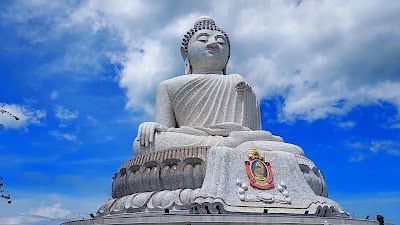
The Big Buddha, Phuket
Majestic 45-meter statue overlooking Phuket, offering breathtaking views and spiritual serenity.
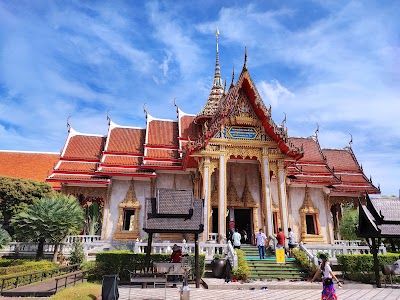
Wat Chalong
A vibrant temple showcasing stunning architecture, rich history, and tranquil spiritual ambiance.
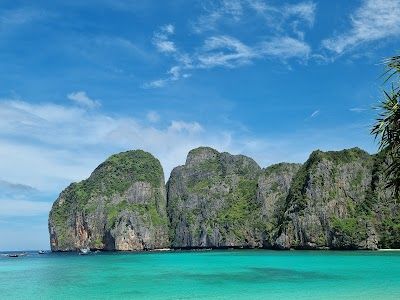
Maya Bay
Crystal-clear waters and dramatic cliffs create a tropical paradise unlike any other.
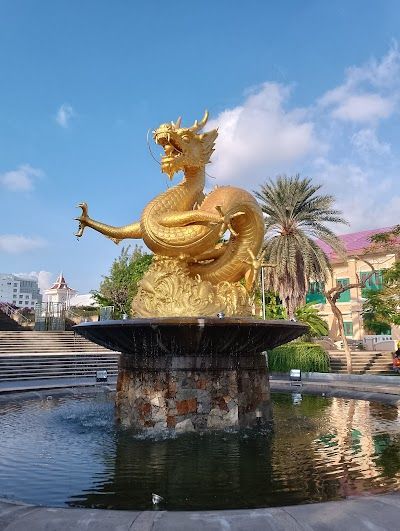
Old Phuket Town
Step back in time with colorful Sino-Portuguese architecture and vibrant street art in Old Phuket Town.

Three Monkeys Restaurant
Savor authentic Thai cuisine amidst vibrant decor and welcoming ambiance at Three Monkeys.
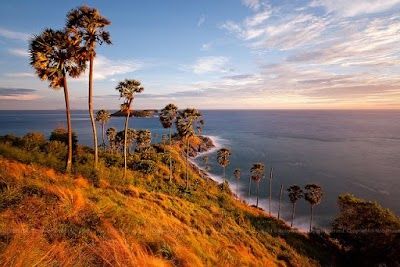
Promthep Cape
Breathtaking sunsets and stunning coastal views await at Phuket's iconic Promthep Cape.