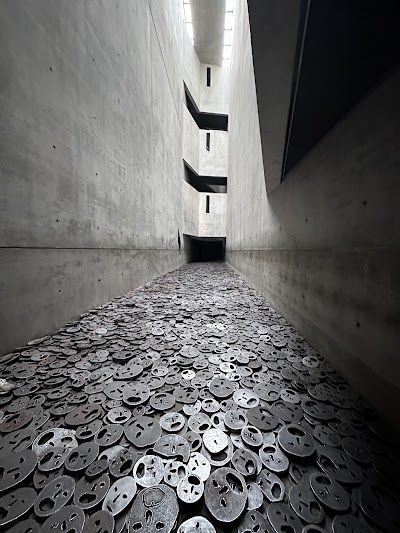
The Jewish Museum Berlin is one of the most important cultural institutions in Germany, offering a profound and deeply moving exploration of Jewish life, history, and culture in Europe, with a particular focus on German-Jewish relations. Opened in 2001 and designed by renowned architect Daniel Libeskind, the museum's striking zigzagging structure and stark, angular architecture immediately set a contemplative tone for visitors. It was conceived not only as a repository of history but also as an engaging space that invites reflection on themes of memory, loss, identity, and resilience.
Inside, visitors can expect a richly layered experience spanning thousands of years of Jewish existence in Germany - from medieval times through the Holocaust and the post-war era to contemporary Jewish life. The exhibitions combine historical artifacts, multimedia displays, personal testimonies, and artistic installations that collectively weave a narrative both educational and evocative. Highlights include the haunting "Holocaust Tower," an isolated, lightless space that powerfully conveys feelings of imprisonment and despair, and the "Garden of Exile," which symbolically disorients through its tilted columns.
The atmosphere within the museum is reflective and respectful, encouraging visitors to contemplate difficult chapters in history while also celebrating Jewish culture and contributions to German society. The museum's layout, with its angled walls and voids, physically manifests disruption and rupture but also speaks to hope and continuity. Visitors consistently praise the clarity, emotional impact, and architectural brilliance of the museum, finding it both intellectually enriching and deeply moving. It is a must-visit for anyone seeking to understand the complexities of Jewish heritage and history in Germany within a world-class museum setting.
Highlights
- Daniel Libeskind's architecturally striking zigzag building with symbolic voids
- The Holocaust Tower - a chilling, dark, and isolated space evoking imprisonment
- Rich multimedia exhibitions tracing Jewish history from the Middle Ages to today
Best Time to Visit
The best time to visit is during spring (April to June) and early autumn (September to October) when Berlin's weather is mild, and visitor numbers tend to be lower than in the summer peak. Weekdays, particularly mornings, are ideal to avoid crowds and fully absorb the exhibits in a peaceful atmosphere.
Insider Tips
- 1Book tickets online in advance to skip the ticket lines, especially during weekends and holidays.
- 2Allow extra time to explore the museum shop, which offers unique books and Jewish-themed art and gifts.
- 3Don't miss the temporary special exhibitions; they often feature cutting-edge contemporary Jewish art and culture.
Frequently Asked Questions
Yes, the museum offers guided tours in multiple languages for an additional fee. There are also audio guides available to rent, which provide detailed explanations of the permanent and special exhibitions.
While some exhibits deal with heavy historical subjects like the Holocaust, the museum offers family trails and workshops designed to engage children aged 6 and above in an age-appropriate manner.
Photography is permitted in many areas of the museum for personal use, but flash and tripods are not allowed. Some special exhibitions may have photography restrictions, so look for signage or ask staff.
More Museums & Galleries
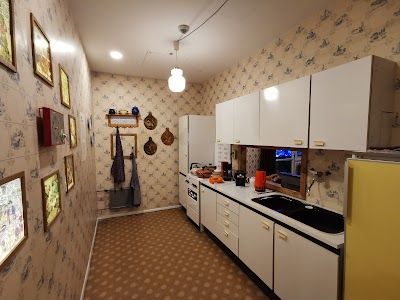
DDR Museum
Explore life behind the Berlin Wall at the immersive DDR Museum, a journey through East Germany's history.
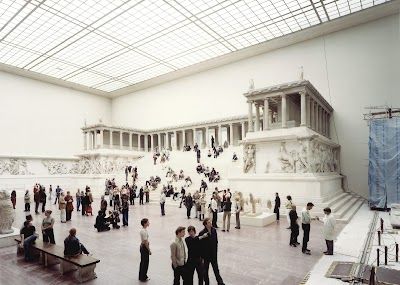
Pergamonmuseum
Experience ancient wonders at Berlin's Pergamonmuseum, home to breathtaking historical artifacts and architecture.
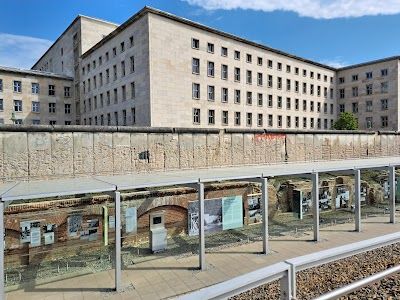
Topography of Terror
A poignant open-air museum revealing Berlin's dark history of persecution and tyranny.
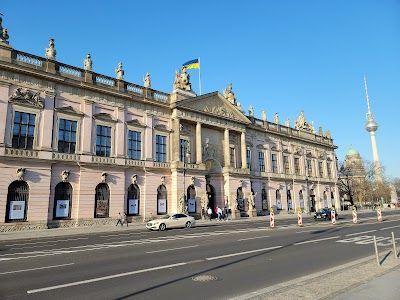
German Historical Museum
Immerse yourself in Germany's vibrant history through captivating exhibits and stunning artifacts.
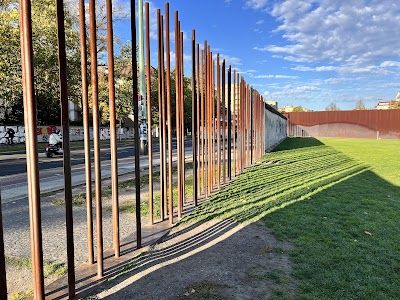
Berlin Wall Memorial
A poignant reminder of divided history, the Berlin Wall Memorial inspires reflection and unity.
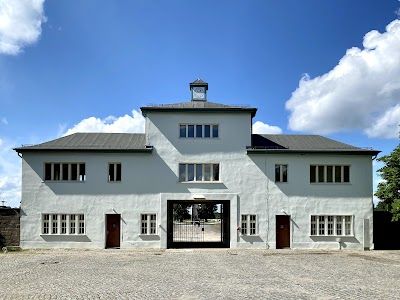
Sachsenhausen Memorial & Museum
A poignant tribute to history, Sachsenhausen Memorial evokes reflection on resilience and humanity.