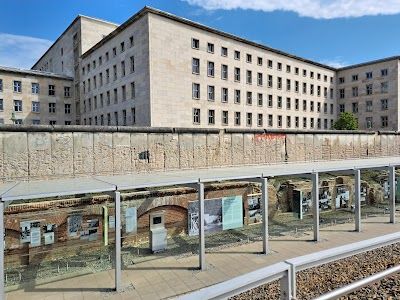
The Topography of Terror is a profound open-air and indoor museum situated on the historic site that once housed the headquarters of the Nazi Gestapo and SS during World War II. Located in the heart of Berlin, this museum offers a compelling and sobering exploration of the mechanisms of state terror, persecution, and genocide under the Nazi regime. Visitors walk along original exposed sections of the Berlin Wall and stone foundations from the former prison buildings, providing an authentic and visceral connection to the past. The exhibits incorporate a wealth of multimedia materials, photographs, documents, and detailed chronologies that present the rise of National Socialism and the atrocities committed during that era.
Inside, the atmosphere is reflective and respectful, encouraging visitors to engage deeply with the dark chapters of history. The museum skillfully balances factual presentation with emotional impact, making it a vital place for educating people of all ages about the consequences of extremism and unchecked power. The outdoor area serves as a poignant place for contemplation, enhanced by the architectural integration of ruins and modern design elements that emphasize remembrance and warning.
Visitors appreciate the Topography of Terror for its honesty, accessibility, and the thoroughness of its historical documentation. The site is bilingual, with information available in both German and English, accommodating international travelers. Many choose to visit as part of a historical tour of Berlin or independently to gain a deeper understanding beyond the traditional landmarks. It is both an educational experience and a memorial that underscores the importance of human rights and democracy in the contemporary world.
Highlights
- Exposed original foundations of the Gestapo and SS headquarters
- Outdoor exhibit tracing the history of the Berlin Wall along the site
- Comprehensive multimedia exhibitions detailing Nazi crimes and persecution
Best Time to Visit
Spring to early autumn (April to October) offers milder weather, allowing visitors to fully explore both the outdoor and indoor exhibits comfortably. Weekday mornings are less crowded, providing a more contemplative experience.
Insider Tips
- 1Start your visit at the outdoor exhibition to familiarize yourself with the site's historical context before moving indoors.
- 2Download the museum's free audio guide via their official website or app for enriched information during your visit.
- 3Wear comfortable shoes as the site involves walking outdoors on uneven surfaces, especially near the ruined foundations and exposed wall.
- 4Allow extra time during weekends or holiday periods, as the museum can get quite busy.
Frequently Asked Questions
No, the museum offers free admission to all visitors, making it accessible for everyone who wishes to learn about this critical part of history.
Yes, the museum offers guided tours and also provides free downloadable audio guides in multiple languages to help visitors understand the exhibitions in-depth.
The museum is educational but deals with difficult and sensitive subject matter. It's best suited for older children and teenagers who can understand and process the history of Nazi terror with guidance from adults.
More Museums & Galleries
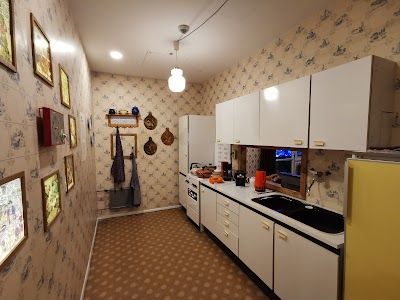
DDR Museum
Explore life behind the Berlin Wall at the immersive DDR Museum, a journey through East Germany's history.
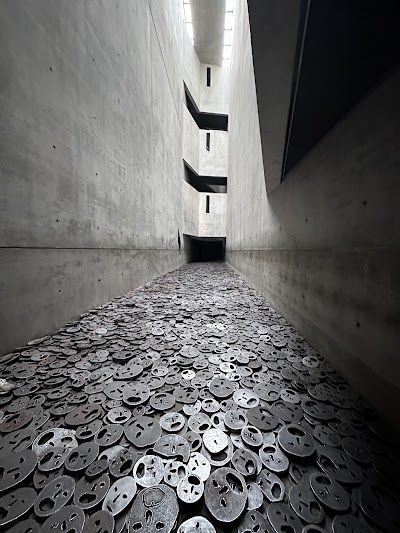
Jewish Museum Berlin
A poignant exploration of Jewish history and culture, architecturally stunning and deeply moving.
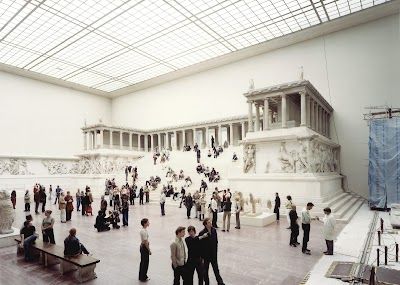
Pergamonmuseum
Experience ancient wonders at Berlin's Pergamonmuseum, home to breathtaking historical artifacts and architecture.

German Historical Museum
Immerse yourself in Germany's vibrant history through captivating exhibits and stunning artifacts.
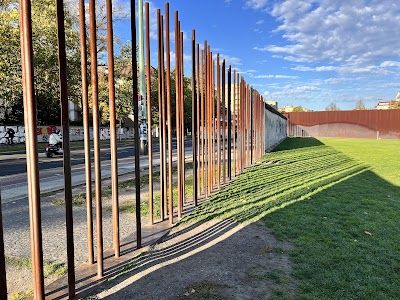
Berlin Wall Memorial
A poignant reminder of divided history, the Berlin Wall Memorial inspires reflection and unity.
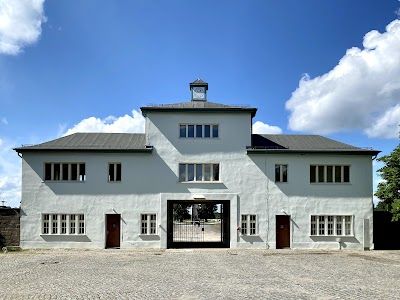
Sachsenhausen Memorial & Museum
A poignant tribute to history, Sachsenhausen Memorial evokes reflection on resilience and humanity.