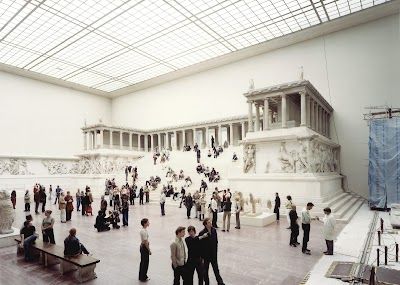
The Pergamonmuseum in Berlin stands as one of the most iconic cultural landmarks on Museum Island, offering visitors an extraordinary journey through antiquity and ancient civilizations. Established in the early 20th century and completed in 1930, the museum showcases an awe-inspiring collection of architecture and artifacts from the ancient Near East, Greece, and Rome. Visitors can explore life-sized reconstructions of monumental structures, which have been painstakingly transported and reassembled within the museum's grand halls. The museum's neoclassical design complements the stunning exhibits, creating an immersive atmosphere that transports you back in time.
Inside the Pergamonmuseum, you can expect to marvel at some of the world's most famous archaeological treasures. The centerpiece is the Pergamon Altar, a monumental example of Hellenistic art and religious architecture, featuring intricate friezes depicting mythological battles. Other highlights include the Ishtar Gate and Processional Way from Babylon, which captivate with their vibrant blue glazed bricks and detailed reliefs. The Islamic Art Museum section also offers exquisite ceramics, calligraphy, and architectural elements, highlighting the rich cultural tapestry preserved within these walls.
The atmosphere in the Pergamonmuseum is both grand and contemplative, allowing visitors to reflect on the spectacle of human history and artistic achievement. The high vaulted ceilings and spacious galleries create a museum experience that feels both expansive and intimate. Visitors consistently praise the Pergamonmuseum for the depth and scale of its exhibits, making it a must-visit attraction for history buffs, art lovers, and anyone intrigued by ancient civilizations. Its central location in Berlin ensures easy access, making it a perfect cultural stop when exploring the city.
Highlights
- The Pergamon Altar - a colossal reconstruction featuring detailed friezes of Greek mythology
- The Ishtar Gate and Processional Way from Babylon, adorned with glazed blue bricks and reliefs
- The Museum of Islamic Art's collection of ceramics, textiles, and architectural fragments
Best Time to Visit
The best time to visit is during weekday mornings or late afternoons, especially in spring and autumn, to avoid the peak crowds and enjoy a more peaceful experience. Visiting in the off-season (November to February) can also offer smaller crowds but check for any temporary exhibit closures or renovations.
Insider Tips
- 1Purchase tickets online in advance to skip long queues, especially on weekends.
- 2Rent the museum's audio guide or download their app to enhance your understanding of the exhibits.
- 3Allow extra time to visit the nearby Neues Museum and Altes Museum to fully experience Museum Island's rich offerings.
Frequently Asked Questions
Photography without a flash is generally permitted in most areas for personal use, but video recording and flash photography are prohibited to protect the artifacts.
Yes, the museum is wheelchair accessible, including elevators and ramps, but it's advisable to check accessibility services in advance for any specific needs.
Yes, the museum offers guided tours in multiple languages which can be booked in advance, and audio guides are available for rental at the entrance.
More Museums & Galleries
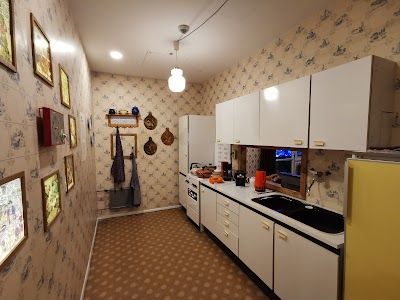
DDR Museum
Explore life behind the Berlin Wall at the immersive DDR Museum, a journey through East Germany's history.
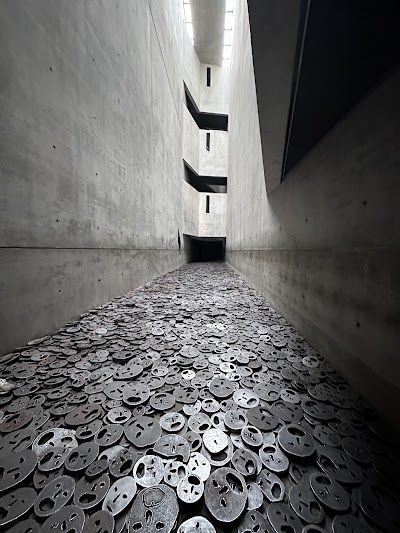
Jewish Museum Berlin
A poignant exploration of Jewish history and culture, architecturally stunning and deeply moving.
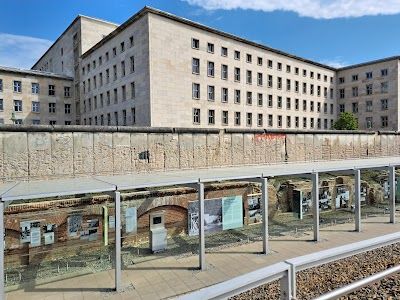
Topography of Terror
A poignant open-air museum revealing Berlin's dark history of persecution and tyranny.
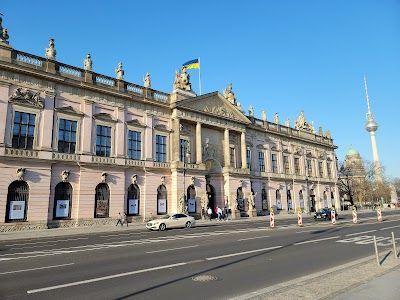
German Historical Museum
Immerse yourself in Germany's vibrant history through captivating exhibits and stunning artifacts.
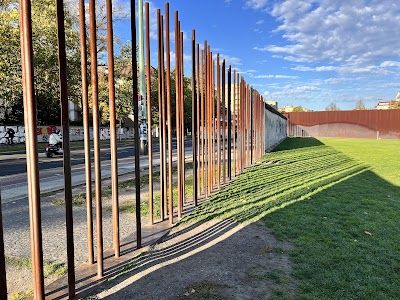
Berlin Wall Memorial
A poignant reminder of divided history, the Berlin Wall Memorial inspires reflection and unity.
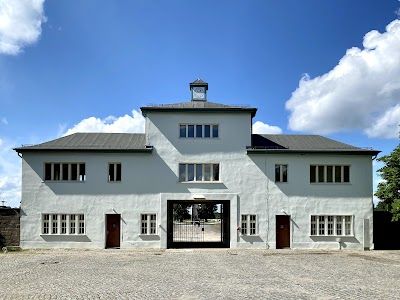
Sachsenhausen Memorial & Museum
A poignant tribute to history, Sachsenhausen Memorial evokes reflection on resilience and humanity.