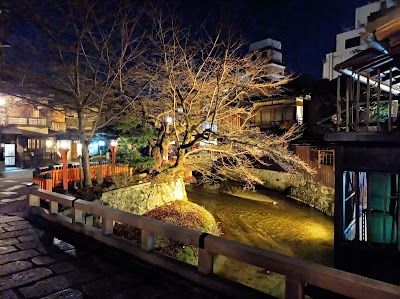
Gion is Kyoto's most famous geisha district, renowned for its timeless streets lined with traditional wooden machiya houses, tea houses, and exclusive restaurants. Established during the Edo period, Gion evolved as a center for entertainment and geisha culture, preserving centuries-old customs amidst the modern cityscape. Visitors wandering its atmospheric alleys feel transported back to classic Japan, especially during the twilight hours when lanterns illuminate the streets and the subtle fragrance of matcha and incense drifts through the air.
Travelers can expect to glimpse geiko (Kyoto's geisha) and maiko (apprentice geisha) in their distinctive, elaborately decorated kimono and intricate hairstyles, though sightings are often fleeting due to their discreet lifestyle. Beyond geisha sightings, Gion offers rich cultural experiences via its many tea houses, fine dining venues serving kaiseki cuisine, and traditional craft shops showcasing Kyoto's artisanal heritage. The district's quiet charm is perfectly complemented by landmarks such as Yasaka Shrine and the Shirakawa Canal, where willow trees sway gently over the water.
The atmosphere of Gion is a delicate fusion of elegance and mystery, attracting both history lovers and those seeking authentic Japanese cultural immersion. Visitors love Gion for its preservation of intangible heritage, scenic strolls along atmospheric lanes like Hanami-koji, and seasonal festivals such as the Gion Matsuri in July, one of Japan's most famous celebrations. Whether by day or night, Gion's allure lies in its balance of timeless tradition and the subtle pulse of contemporary Kyoto life.
Highlights
- Stroll along Hanami-koji Street, lined with historic machiya houses and traditional restaurants
- Spot geiko and maiko gracefully moving to appointments in tea houses
- Visit Yasaka Shrine, a vibrant Shinto sanctuary adjacent to Gion
Best Time to Visit
Late afternoon to early evening is best to experience the enchanting lantern-lit streets and to have the chance to glimpse geiko and maiko. Spring (March to May) for cherry blossoms or autumn (October to November) for colorful foliage also enhance the district's beauty.
Insider Tips
- 1Visit side streets like Shirakawa Minami-dori during sunset for quieter, scenic views.
- 2Book an evening tea ceremony or kaiseki dinner in advance to experience authentic cultural hospitality.
- 3Respect privacy and avoid taking intrusive photos of geiko and maiko; a discreet glance is appreciated.
Frequently Asked Questions
It is best to observe geiko and maiko discreetly and avoid direct or flashy photography, as they are professionals with busy schedules and value their privacy.
Yes, many companies offer guided walking tours that provide historical context, cultural insights, and chances to visit tea houses or workshops where craftspeople work.
Absolutely. Gion is easily reachable by Kyoto city buses and the Keihan Main Line with Gion-Shijo Station nearby, making it convenient to combine with other Kyoto sightseeing.
More Top Attractions
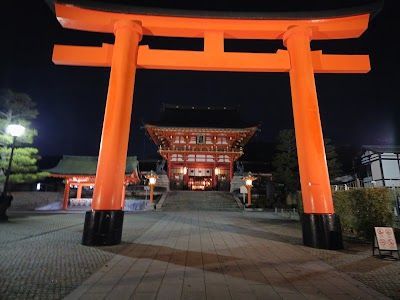
Fushimi Inari Taisha
Mystical red torii gates wind through sacred mountains, enveloping visitors in serene beauty.
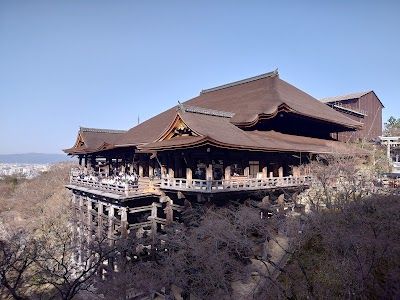
Kiyomizu-dera
Breathtaking temple set on wooden stilts, offering stunning views of cherry blossoms and autumn leaves.
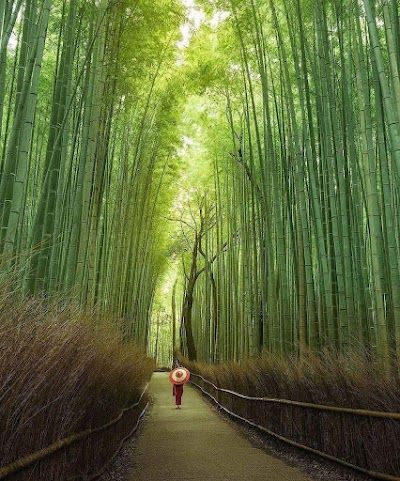
Arashiyama
Discover Arashiyama's enchanting bamboo groves and serene landscapes, a breathtaking Kyoto escape.
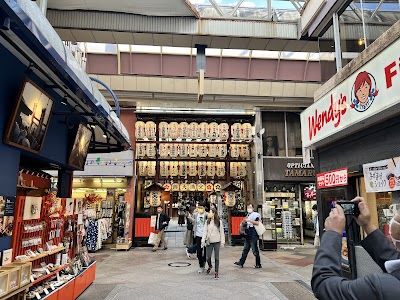
Nishiki Market
Vibrant market brimming with local delicacies, artisanal crafts, and Kyoto's culinary treasures.
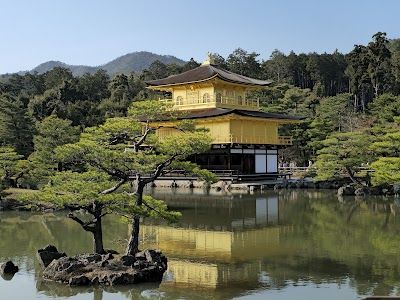
Kinkaku-ji
A serene golden pavilion reflecting over tranquil waters, Kinkaku-ji enchants every visitor.
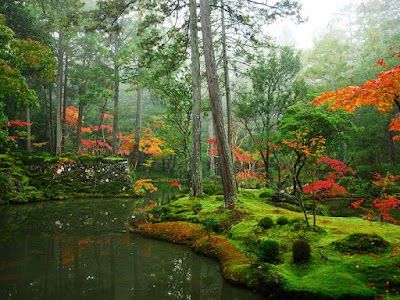
Saihōji (Kokedera) Temple
Experience tranquility amidst lush moss gardens at Kyoto's enchanting Saihōji Temple.