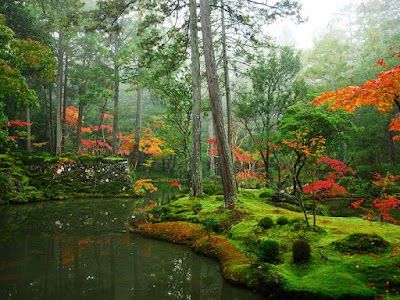
Saihōji Temple, commonly known as Kokedera or the Moss Temple, is one of Kyoto's most captivating and serene attractions. Founded in the 8th century and later restored by Musō Soseki, a famous Zen monk and garden designer, Saihōji is renowned for its extensive moss gardens that cover the temple grounds in a lush, verdant blanket. The temple grounds feature nearly 120 different moss species, creating a unique and tranquil landscape that changes subtly with the seasons. Visitors are immersed in a quiet, contemplative atmosphere that feels removed from the bustling city life of Kyoto.
The temple is a UNESCO World Heritage Site and is especially popular among visitors seeking spiritual calm and natural beauty. Unlike many temples, Saihōji requires visitors to make a reservation in advance and participate in a short sutra copying ritual before entering the garden, giving the experience an added layer of mindfulness and reverence. Walking through winding pathways surrounded by moss, small ponds, ancient trees, and traditional stone lanterns provides a rare glimpse into classical Japanese garden aesthetics infused with Zen philosophy.
Throughout the year, the moss remains a vibrant green, though the temple also displays beautiful seasonal floral highlights, including azaleas in spring and fiery autumn foliage surrounding the mossy carpet. The atmosphere is peaceful and contemplative, making it a favorite for photographers, nature lovers, and those seeking a moment of reflective quiet. The temple's remote feel and mediation-rich environment distinguish it from other more touristic landmarks in Kyoto.
Visitors love Saihōji for its mystical ambiance and the sense of timelessness it evokes. The combination of historical significance, natural artistry, and spiritual practice offers a deeply enriching experience that lingers in the memory long after the visit. It is a perfect destination for travelers interested in cultural heritage, Zen Buddhism, and the natural beauty of Japanese gardens.
Highlights
- Over 120 varieties of moss creating a lush carpet throughout the gardens
- Traditional Zen meditation experience including sutra copying before entry
- UNESCO World Heritage Site with ancient temple buildings and a moss-covered landscape
Best Time to Visit
Late spring (May-June) and autumn (October-November) are the best times to visit. In late spring, the moss and surrounding azaleas are vibrant, while autumn offers striking red and orange foliage contrasting beautifully with the green moss.
Insider Tips
- 1Make a reservation well in advance, as visitor numbers are limited and no walk-ins are allowed.
- 2Bring a pencil or calligraphy brush for the sutra copying, but these are often provided on site.
- 3Wear comfortable walking shoes as the garden paths can be uneven and slightly slippery, especially after rain.
Frequently Asked Questions
Yes, the temple limits daily visitors to preserve the site and offers no walk-in entry. Reservations must be made at least one week in advance via phone or fax.
Photography is allowed in the moss gardens but should be done respectfully without flash or causing disturbance to other visitors or monks.
Before entering the garden, visitors participate in copying a Buddhist sutra by hand, which usually takes 15-20 minutes. This meditative practice helps prepare the mind for the tranquil experience inside the temple grounds.
More Top Attractions
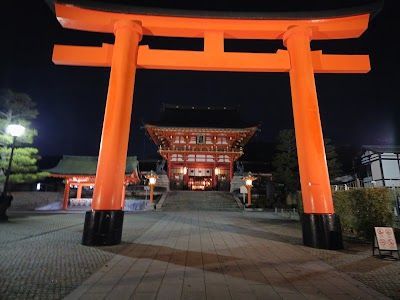
Fushimi Inari Taisha
Mystical red torii gates wind through sacred mountains, enveloping visitors in serene beauty.
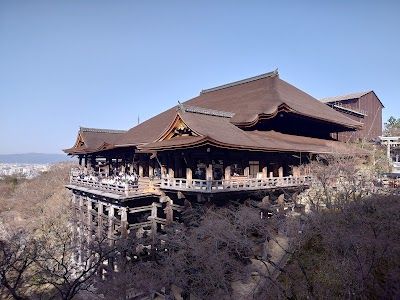
Kiyomizu-dera
Breathtaking temple set on wooden stilts, offering stunning views of cherry blossoms and autumn leaves.
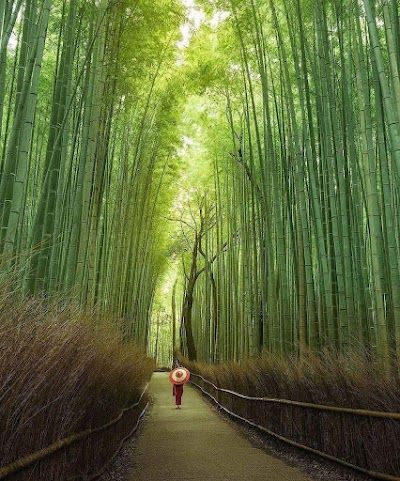
Arashiyama
Discover Arashiyama's enchanting bamboo groves and serene landscapes, a breathtaking Kyoto escape.

Nishiki Market
Vibrant market brimming with local delicacies, artisanal crafts, and Kyoto's culinary treasures.
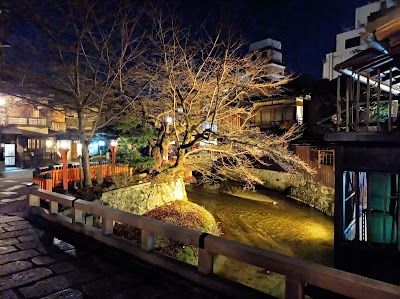
Gion
Experience Gion's enchanting streets, where geishas gracefully blend tradition and modern Kyoto charm.
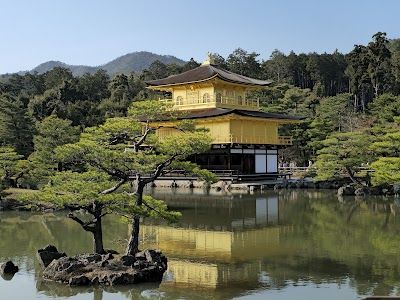
Kinkaku-ji
A serene golden pavilion reflecting over tranquil waters, Kinkaku-ji enchants every visitor.