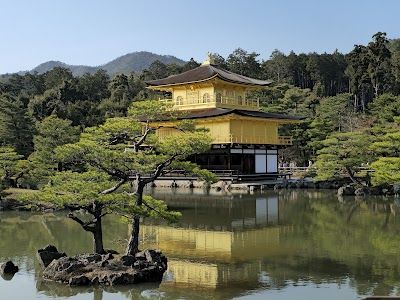
Kinkaku-ji, officially known as Rokuon-ji, is one of Kyoto's most iconic and beloved landmarks. Originally built in 1397 as a retirement villa for the shogun Ashikaga Yoshimitsu, the temple later became a Zen Buddhist temple. The golden pavilion itself is a stunning example of Muromachi period architecture, famously covered in gold leaf which beautifully reflects in the surrounding pond, creating an almost ethereal visual experience. Visitors are greeted by meticulously maintained stroll gardens that change with the seasons, offering a peaceful and contemplative atmosphere perfect for immersion in traditional Japanese culture and aesthetics.
Inside the temple grounds, visitors can appreciate the harmony between architecture and nature, a key element in Japanese design philosophy. The golden pavilion's upper two stories are completely covered in pure gold leaf, and the top is crowned with a glittering golden phoenix. The beautifully landscaped Kyoko-chi (Mirror Pond) reflects the pavilion, enhancing its splendor and making it a popular spot for photography. Kinkaku-ji is not just a visual treat but also a cultural treasure, with its design influencing Japanese gardens and buildings for centuries.
Visitors can explore surrounding features such as the Sekka-tei teahouse and smaller shrines, along with tranquil forested areas that frame the scenic beauty of the site. The atmosphere throughout the year ranges from vibrant green foliage in summer, reflective golden hues in autumn, to the delicate snow cover in winter, each offering a unique perspective. This timeless blend of history, nature, and art captivates visitors and offers an unforgettable insight into Japan's feudal past and spiritual traditions.
Highlights
- The shimmering gold leaf exterior of the pavilion glistening in sunlight
- The serene Mirror Pond reflecting the pavilion and surrounding gardens
- Seasonal beauty including cherry blossoms in spring and colorful foliage in autumn
Best Time to Visit
Spring (March to May) for cherry blossoms and autumn (October to November) for vibrant fall colors are ideal, as the temple grounds become exceptionally picturesque. Early mornings or late afternoons on weekdays are best to avoid large crowds and enjoy a peaceful visit.
Insider Tips
- 1Visit early in the morning to avoid crowds and get the best photos of the pavilion's reflection in Mirror Pond.
- 2Wear comfortable shoes as you'll be walking through gardens and on uneven paths.
- 3Check the weather forecast and consider visiting on a clear day to fully appreciate the gold leaf's shimmer.
Frequently Asked Questions
Photography is allowed throughout the outdoor temple grounds, which is where the main attractions are located. However, interior access is restricted, so visitors cannot enter the pavilion itself. Photos inside the pavilion are not permitted.
Kinkaku-ji is a very popular tourist destination, especially during peak seasons such as cherry blossom and autumn foliage periods. It can get quite crowded midday, so visiting early or late in the day on weekdays is recommended for a quieter experience.
Yes, there are restroom facilities and a small tea house café within the temple grounds, where visitors can enjoy traditional matcha tea and light snacks while soaking in the serene environment.
More Top Attractions
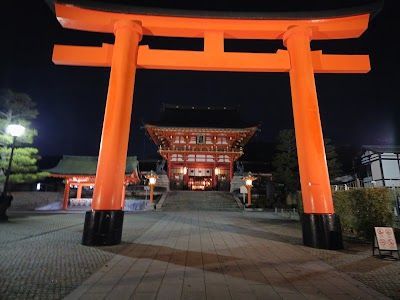
Fushimi Inari Taisha
Mystical red torii gates wind through sacred mountains, enveloping visitors in serene beauty.
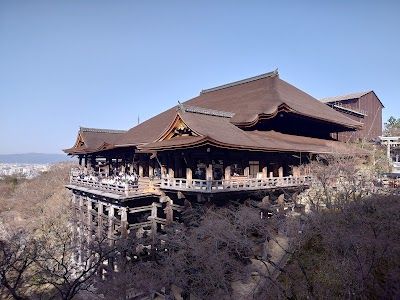
Kiyomizu-dera
Breathtaking temple set on wooden stilts, offering stunning views of cherry blossoms and autumn leaves.
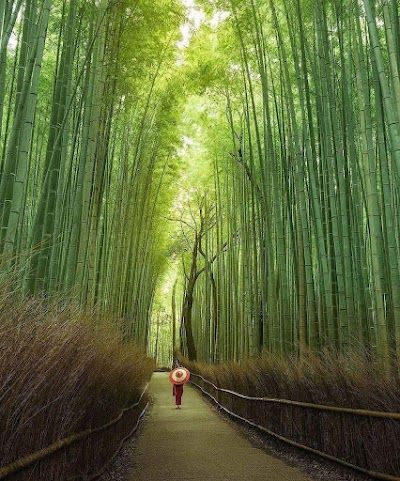
Arashiyama
Discover Arashiyama's enchanting bamboo groves and serene landscapes, a breathtaking Kyoto escape.
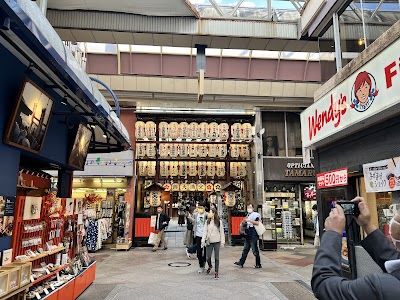
Nishiki Market
Vibrant market brimming with local delicacies, artisanal crafts, and Kyoto's culinary treasures.
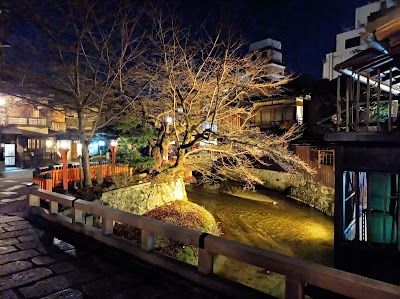
Gion
Experience Gion's enchanting streets, where geishas gracefully blend tradition and modern Kyoto charm.
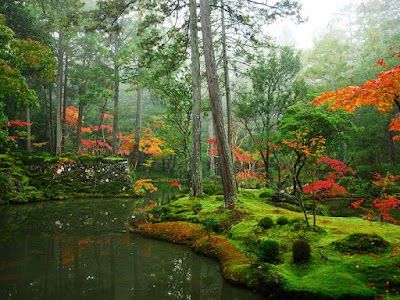
Saihōji (Kokedera) Temple
Experience tranquility amidst lush moss gardens at Kyoto's enchanting Saihōji Temple.