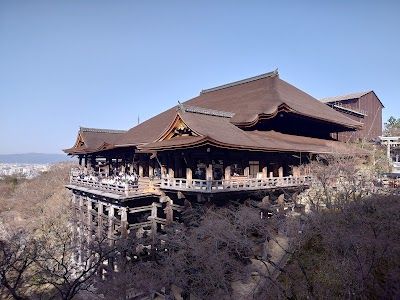
Kiyomizu-dera is one of Kyoto's most iconic and historically significant temples, renowned for its magnificent wooden stage that juts out from the main hall, supported by towering stilts. Established in 778, this UNESCO World Heritage site has been a place of pilgrimage and admiration for over a millennium. The temple's name, which translates to 'Pure Water Temple,' is derived from the Otowa Waterfall that runs beneath the main hall, where visitors can drink from its three separate streams, each believed to grant health, longevity, or success in studies.
Visitors to Kiyomizu-dera can expect an immersive experience filled with the serene ambiance of traditional Japanese architecture blended harmoniously with the natural landscape. The temple complex is set on the eastern hills of Kyoto, providing breathtaking panoramic views of the city that are especially stunning during the sakura (cherry blossom) season in spring and the vibrant autumn foliage. The wooden veranda offers an unforgettable vantage point where the beauty of changing seasons can be fully appreciated.
The atmosphere at Kiyomizu-dera is contemplative and lively at the same time. Pilgrims and tourists alike gather to admire the temple's intricate carvings, brass temple bells, and numerous smaller shrines scattered throughout the grounds. Visitors love the vibrant Jishu Shrine within the complex, which is dedicated to love and matchmaking, making Kiyomizu-dera not just a feast for the eyes but also a place rich in cultural traditions and beliefs.
In addition to its spiritual significance, Kiyomizu-dera is cherished for its accessibility as an all-season destination, offering unique photo opportunities and memorable experiences regardless of when you visit. Its combination of history, spirituality, natural beauty, and architectural ingenuity make it a must-see attraction for anyone traveling to Kyoto.
Highlights
- The wooden stage offering panoramic views of Kyoto's cityscape and seasonal foliage
- The Otowa Waterfall where visitors drink from three streams believed to bestow wishes
- The Jishu Shrine dedicated to love and matchmaking, featuring love stones to test romantic fortune
Best Time to Visit
The best times to visit Kiyomizu-dera are during the spring (late March to early April) for cherry blossoms and autumn (mid-November) for the spectacular colorful foliage. These seasons transform the temple grounds into breathtaking landscapes, although they can be crowded. Early mornings or late afternoons are ideal for a quieter, more reflective experience.
Insider Tips
- 1Visit early in the morning right after opening to avoid large crowds.
- 2Bring comfortable shoes as there is some uphill walking and uneven paths.
- 3Don't miss tasting the Otowa Waterfall water from each of the three streams using the provided cups.
Frequently Asked Questions
While the main temple grounds involve some uphill walking and uneven steps, there are paths that are easier to navigate. However, the iconic wooden stage area is accessed via steps, which may be challenging. Visitors with mobility concerns should plan accordingly or seek assistance.
Photography is allowed in most outdoor areas of Kiyomizu-dera, including the wooden stage and temple grounds. However, in some indoor shrine areas, photography may be restricted to respect the sacred atmosphere, so it's best to look for signage or ask staff.
Yes, Kiyomizu-dera offers special evening illumination events during certain times of the year, especially in spring and autumn. These illuminations provide a magical atmosphere and unique photo opportunities but check the official schedule as hours and dates vary.
More Top Attractions
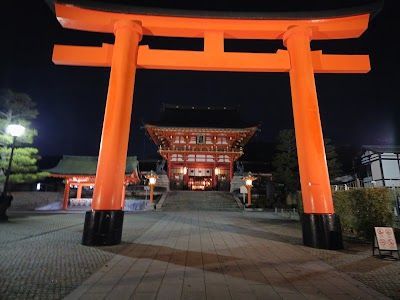
Fushimi Inari Taisha
Mystical red torii gates wind through sacred mountains, enveloping visitors in serene beauty.
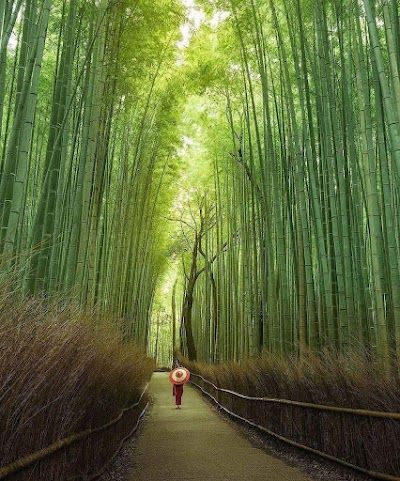
Arashiyama
Discover Arashiyama's enchanting bamboo groves and serene landscapes, a breathtaking Kyoto escape.
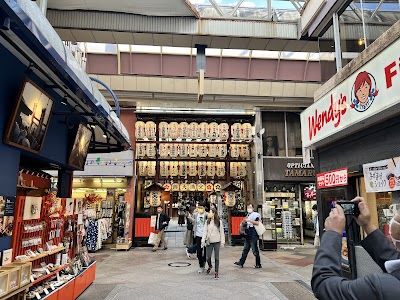
Nishiki Market
Vibrant market brimming with local delicacies, artisanal crafts, and Kyoto's culinary treasures.
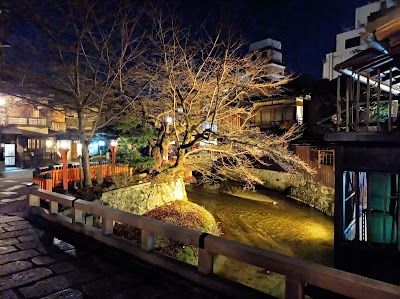
Gion
Experience Gion's enchanting streets, where geishas gracefully blend tradition and modern Kyoto charm.
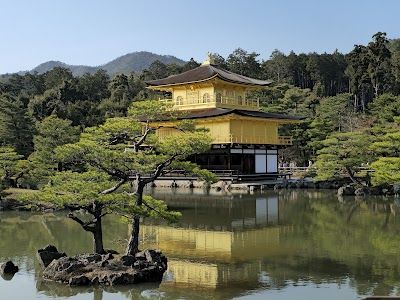
Kinkaku-ji
A serene golden pavilion reflecting over tranquil waters, Kinkaku-ji enchants every visitor.
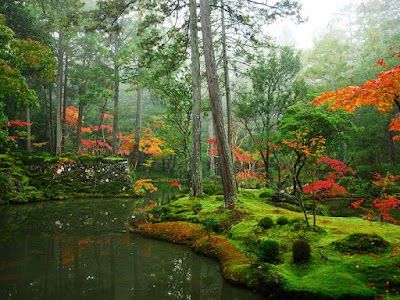
Saihōji (Kokedera) Temple
Experience tranquility amidst lush moss gardens at Kyoto's enchanting Saihōji Temple.