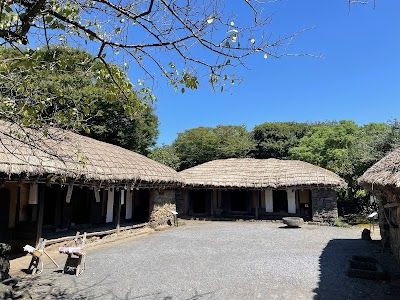
Jeju Folk Village (제주민속촌) offers visitors an immersive journey back in time to experience the traditional lifestyle and culture of Jeju Island as it was centuries ago. Established to preserve and showcase Jeju's distinctive architectural styles and customs, the village features over 100 restored traditional houses and structures that reflect the daily lives of local residents from the late 19th to early 20th century. Wander through narrow lanes lined with thatched-roof homes, stone walls, and ancient barns, gaining insight into Jeju's agricultural practices, fishing heritage, and community rituals.
As you explore, you'll find various workshops and live demonstrations such as traditional pottery making, blacksmithing, and weaving, bringing the culture to life in an engaging and hands-on manner. The folk village also hosts cultural performances and seasonal festivals that celebrate local traditions with music, dance, and folk games, creating an intimate atmosphere that connects visitors with the island's unique heritage. Many original artifacts and everyday tools are exhibited, offering rich context for the islanders' relationship with nature and the sea.
Visitors love Jeju Folk Village for its authenticity and educational value, providing a peaceful yet vibrant environment that contrasts with the modern development seen elsewhere on the island. The well-preserved homes and scenic natural surroundings, including traditional gardens and water mills, make it a perfect destination for history enthusiasts, families, and photographers alike. The village's location also offers beautiful views of the surrounding countryside, further enhancing its appeal as a cultural and scenic attraction on Jeju Island.
Highlights
- Over 100 traditional Jeju-style thatched-roof houses authentically preserved
- Live cultural demonstrations including pottery, blacksmithing, and weaving
- Seasonal folk festivals showcasing Jeju's unique music, dance, and games
Best Time to Visit
The best time to visit is in spring (April to June) or autumn (September to November) when the weather is mild and comfortable for walking outdoors, and the village hosts vibrant cultural festivals that enhance the experience.
Insider Tips
- 1Wear comfortable walking shoes as the village paths are mostly unpaved and involve some gentle slopes.
- 2Visit during a weekday or early morning to avoid crowds, especially during festival times.
- 3Check the village's official schedule for live cultural demonstrations and performances to plan your visit around a show.
Frequently Asked Questions
While efforts have been made to improve accessibility, much of the village has uneven terrain and narrow paths due to its traditional layout. Visitors with mobility challenges may find certain areas difficult to navigate, so it's advisable to contact the village ahead for specific accessibility information.
Yes, guided tours are offered in Korean and occasionally in English. Alternatively, visitors can rent audio guides to explore the village at their own pace with detailed explanations about the exhibits and lifestyle.
Photography is allowed throughout the village for personal use. However, flash photography may be restricted in certain exhibition areas to protect artifacts. Always look for signage and respect the rules to preserve the village's cultural assets.
More Top Attractions
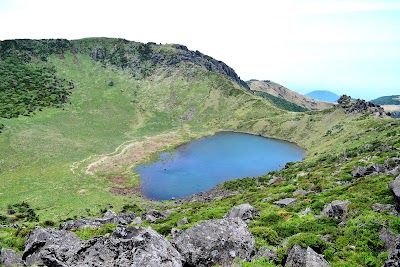
Hallasan
Discover volcanic landscapes and stunning vistas atop Hallasan, Jeju Island's majestic centerpiece.
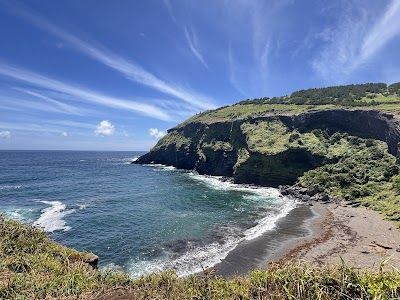
Udo
Discover Udo's pristine beaches, vibrant landscapes, and rich culture on captivating Jeju Island.
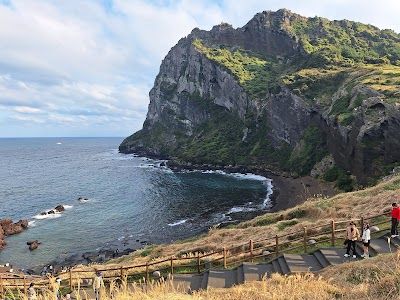
Seongsan Ilchulbong
Witness breathtaking sunrises and unique volcanic landscapes at Jeju's iconic Seongsan Ilchulbong.
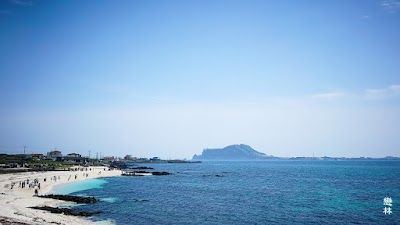
Jeju Olle Course 1-1 (Udo Olle Trail)
Breathtaking coastal views and serene landscapes await along Jeju's enchanting Udo Olle Trail.
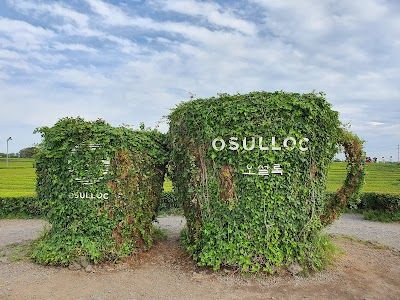
오설록 티 뮤지엄
Experience the artistry of tea at O'sulloc, where nature and culture blend seamlessly.
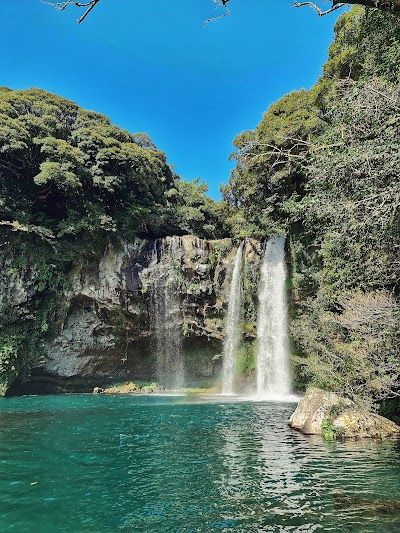
Cheonjiyeon Waterfall
Experience the serene beauty of Cheonjiyeon Waterfall, where nature's power meets tranquility.