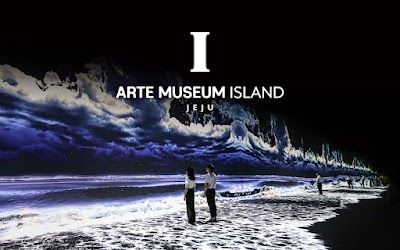
Arte Museum Island Jeju, located on the picturesque Jeju Island in South Korea, is a unique blend of contemporary art, innovative architecture, and natural beauty. Opened to the public as a cultural space that breaks from the traditional museum format, Arte Museum offers visitors an immersive experience that fuses art with the scenic surroundings of Jeju's famed volcanic landscapes. The museum was designed to engage all the senses and features a spacious, thoughtfully curated environment that highlights both indoor galleries and outdoor installations, enhancing visitors' connection to both the artworks and nature.
Visitors to Arte Museum can expect a diverse range of exhibits, including interactive multimedia art, kinetic sculptures, and immersive installations from internationally acclaimed artists. The museum's atmosphere is serene yet thought-provoking, encouraging reflection and creativity. As visitors explore the multi-level spaces, they encounter innovative displays that often use light, shadow, and movement, crafting a sensory journey distinctive to this museum. The site also includes peaceful garden areas, making it ideal for leisurely strolls between exhibits.
What sets Arte Museum Island Jeju apart is its commitment to blending art with the natural elements unique to Jeju Island, such as lava stone and native flora. The museum's architecture itself is a highlight, characterized by minimalist design with fluid lines that harmonize with the surrounding environment. Visitors appreciate the harmonious balance of modern artistic expression with nature's timeless beauty, which often leads to a contemplative and inspiring visit. Arte Museum Island Jeju is a favorite for families, art lovers, and travelers seeking an offbeat cultural experience that connects them deeply with the island's artistic and natural heritage.
Highlights
- Immersive multimedia and kinetic art installations that engage all senses
- Beautifully integrated museum architecture that complements Jeju's natural landscape
- Outdoor sculpture garden featuring site-specific artworks surrounded by native flora
Best Time to Visit
The best time to visit Arte Museum Island Jeju is during the spring (April to June) or autumn (September to November) months when the weather is mild and the natural surroundings are particularly vibrant. These seasons also help enhance the outdoor art experience without the oppressive summer heat or winter chill.
Insider Tips
- 1Visit early in the morning on weekdays to avoid crowds and enjoy a quieter experience.
- 2Allocate extra time to explore the outdoor gardens, especially after visiting the indoor exhibits.
- 3Check the museum's schedule in advance for special exhibitions or night illumination events.
Frequently Asked Questions
Yes, the museum offers interactive and visually engaging exhibits that appeal to all ages. The outdoor sculptures and garden paths are great for families looking to combine art with nature.
Guided tours may be available but are generally offered upon request or during special events. It is recommended to check with the museum in advance to arrange a guided experience.
The museum includes a café where visitors can relax and enjoy refreshments, a gift shop featuring art-inspired items, and accessible restrooms. There is also parking available for those arriving by car.
More Museums & Galleries
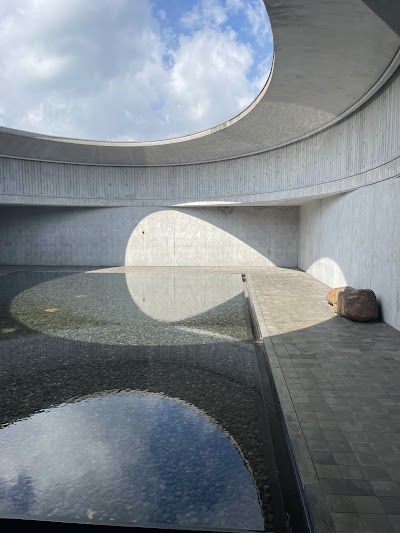
Water Wind Stone Museum
Explore Jeju Island's unique natural heritage through captivating exhibits of water, wind, and stone.
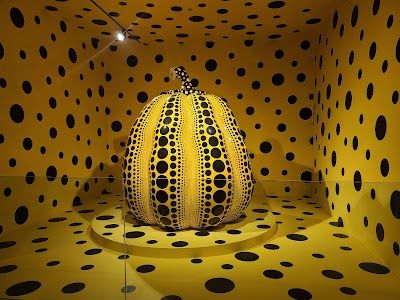
Bonte Museum
Discover Jeju's artistic heartbeat at Bonte Museum, where nature and creativity beautifully intertwine.
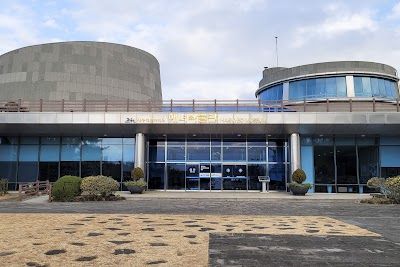
Jeju Haenyeo Museum
Explore the unique heritage of Jeju's female divers at Haenyeo Museum.
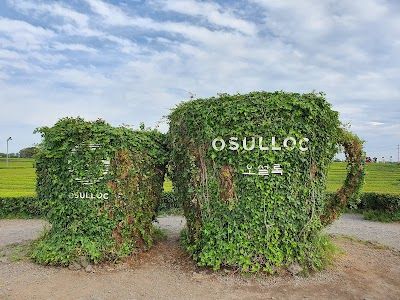
오설록 티 뮤지엄
Experience the artistry of tea at O'sulloc, where nature and culture blend seamlessly.
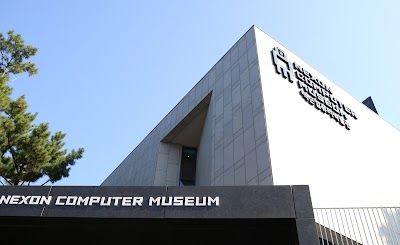
Nexon Computer Museum
Explore gaming history and innovation at Jeju's unique Nexon Computer Museum.
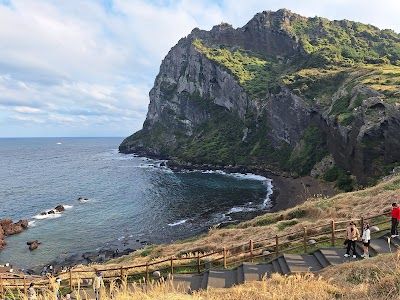
Seongsan Ilchulbong
Witness breathtaking sunrises and unique volcanic landscapes at Jeju's iconic Seongsan Ilchulbong.