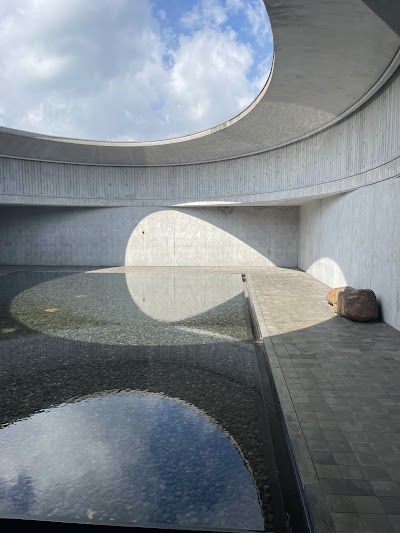
The Water Wind Stone Museum on Jeju Island offers a fascinating glimpse into the island's distinctive natural environment and cultural history through its thematic focus on three of Jeju's most significant elements: water, wind, and stone. Established to celebrate and educate visitors about how these forces shape the island's landscape, life, and traditions, the museum combines interactive exhibits, detailed models, and multimedia presentations to create a compelling journey through Jeju's natural heritage. Visitors can explore how volcanic activity formed Jeju's unique stone formations, how persistent winds influence local agriculture and architecture, and how the island's abundant water resources support both ecosystems and livelihoods.
Inside, the museum's atmosphere is tranquil and thoughtfully designed, with a mix of indoor and outdoor spaces that encourage contemplation of the natural elements at work. The displays highlight Jeju's tuff stone walls, the use of wind in traditional windmills and houses, and the cultural significance of freshwater springs and the sea. Beyond the exhibits, the museum hosts seasonal events and workshops emphasizing environmental conservation and sustainable living inspired by Jeju's natural rhythms. It's an enriching experience for both nature lovers and those interested in Korea's regional geology and ecology.
Visitors love the museum for its educational value and immersive design, which allows for a multisensory understanding of Jeju's unique interplay of natural forces. The location on Jeju-do is easily accessible and provides a quiet space away from the island's busier tourist spots. The museum also acts as a gateway to appreciating broader aspects of Jeju's culture, tying together natural phenomena with local folklore and traditional lifestyles that have adapted around water, wind, and stone over centuries. It is a must-visit for travelers seeking deeper context beyond the island's beaches and tourist attractions.
Highlights
- Interactive exhibits demonstrating the effects of Jeju's volcanic stone and tuff formations
- Displays on ancient and modern uses of wind in Jeju's farming and architecture
- Multimedia presentations on the island's freshwater springs and marine influence
Best Time to Visit
Spring (April to June) or Autumn (September to November) offer mild weather and less humidity, making it ideal to explore the museum and appreciate the surrounding landscape without the summer crowds or cold winter chill.
Insider Tips
- 1Visit on a weekday morning to enjoy a quieter and more intimate experience without large tour groups.
- 2Wear comfortable shoes-some exhibits encourage walking around outdoor landscaping areas that showcase stone formations and wind sculptures.
- 3Combine your visit with nearby natural sites on Jeju Island to deepen your understanding of the exhibits' real-world context.
Frequently Asked Questions
While the museum primarily provides information in Korean, many exhibits include English descriptions. Audio guides and English brochures are available, and staff members can assist with basic questions in English.
Yes, the museum offers interactive and engaging displays that are designed to be educational and fun for children, making it a great family-friendly destination.
The Water Wind Stone Museum is typically open from 9:00 AM to 6:00 PM daily, with last admissions 30 minutes before closing. It is advisable to check their official website or contact the museum directly for any seasonal changes or holidays.
More Museums & Galleries
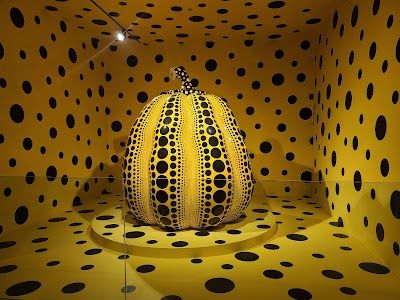
Bonte Museum
Discover Jeju's artistic heartbeat at Bonte Museum, where nature and creativity beautifully intertwine.
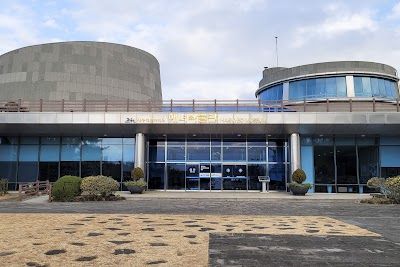
Jeju Haenyeo Museum
Explore the unique heritage of Jeju's female divers at Haenyeo Museum.
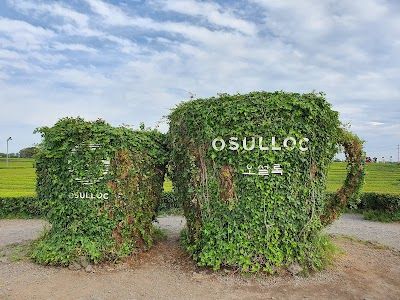
오설록 티 뮤지엄
Experience the artistry of tea at O'sulloc, where nature and culture blend seamlessly.

Arte Museum Island Jeju
Immerse in artistry and nature at Arte Museum Island Jeju, a breathtaking cultural oasis.
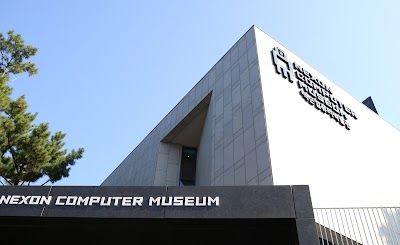
Nexon Computer Museum
Explore gaming history and innovation at Jeju's unique Nexon Computer Museum.
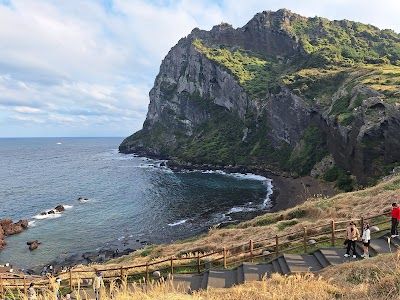
Seongsan Ilchulbong
Witness breathtaking sunrises and unique volcanic landscapes at Jeju's iconic Seongsan Ilchulbong.