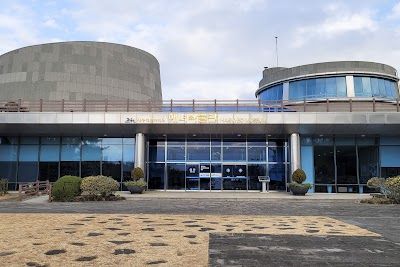
The Jeju Haenyeo Museum offers visitors an immersive journey into the fascinating world of the 'Haenyeo,' the iconic female divers of Jeju Island known for their exceptional free-diving skills. Established to preserve and honor this UNESCO-recognized intangible cultural heritage, the museum provides detailed insights into their traditional fishing techniques, lifestyle, and enduring spirit. Through a carefully curated collection of artifacts, photographs, and interactive exhibits, visitors can appreciate the deep connection between the Haenyeo and the sea, reflecting Jeju's unique maritime culture.
Visitors to the museum can expect an engaging and educational experience that sheds light on the challenges faced and overcome by these women divers, who dive without breathing apparatus to harvest seafood such as abalone, sea urchins, and seaweed. The atmosphere within the museum is both respectful and celebratory, blending history with personal stories to create a vivid portrayal of an extraordinary community. The museum's architecture and layout are thoughtfully designed to evoke the marine environment, enhancing visitor connection to the subject matter.
Why do visitors love the Jeju Haenyeo Museum? Many are moved by the strength, resilience, and independence of the Haenyeo, traits that resonate universally and are beautifully highlighted throughout the exhibits. Educational programs and occasional live demonstrations enrich the visit, making it especially appealing for families and cultural enthusiasts. Whether you have a keen interest in South Korean culture, women's history, or maritime traditions, this museum provides a compelling and authentic experience not to be missed on Jeju Island.
Highlights
- Detailed exhibits showcasing traditional Haenyeo diving gear and tools
- Multimedia presentations and documentaries about Haenyeo history and daily life
- Interactive displays allowing visitors to experience simulated diving conditions
Best Time to Visit
Spring (April to June) and autumn (September to November) are the best times to visit. During these seasons, the weather is mild and pleasant, making for comfortable exploration of the museum and the island. Additionally, the ocean scenery around Jeju is especially beautiful, highlighting the Haenyeo's natural environment.
Insider Tips
- 1Visit early in the day to avoid crowds and have a more intimate experience.
- 2Combine your visit with a trip to nearby coastal areas to see real Haenyeo at work, especially in Seongsan or Hallim.
- 3Check the museum's schedule for special events or lectures that often offer deeper insights and opportunities to interact with actual Haenyeo.
Frequently Asked Questions
Yes, the Jeju Haenyeo Museum is equipped with ramps and elevators to accommodate visitors with mobility challenges. Wheelchair access is available throughout most of the exhibition spaces.
Guided tours are occasionally offered and can enhance your understanding of the exhibits. It is recommended to check the museum's official website or contact them directly in advance to schedule a guided tour.
While the museum itself does not have live diving demonstrations daily, special events or seasonal programs sometimes include live Haenyeo appearances. To see live dives, visitors should visit coastal villages like Seongsan where Haenyeo work regularly.
More Museums & Galleries
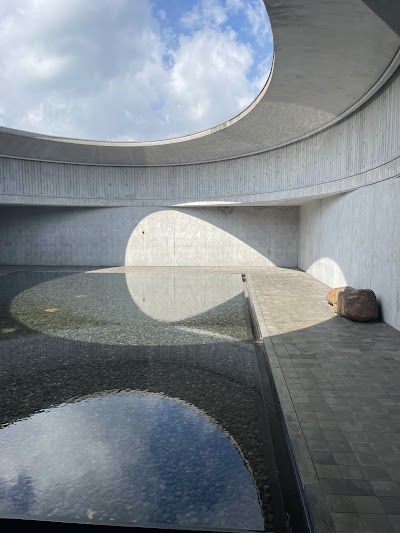
Water Wind Stone Museum
Explore Jeju Island's unique natural heritage through captivating exhibits of water, wind, and stone.
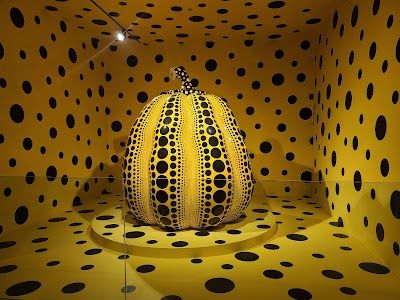
Bonte Museum
Discover Jeju's artistic heartbeat at Bonte Museum, where nature and creativity beautifully intertwine.
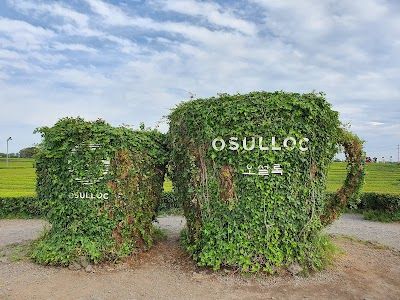
오설록 티 뮤지엄
Experience the artistry of tea at O'sulloc, where nature and culture blend seamlessly.
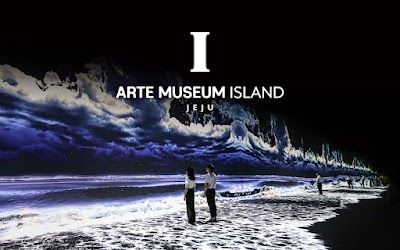
Arte Museum Island Jeju
Immerse in artistry and nature at Arte Museum Island Jeju, a breathtaking cultural oasis.
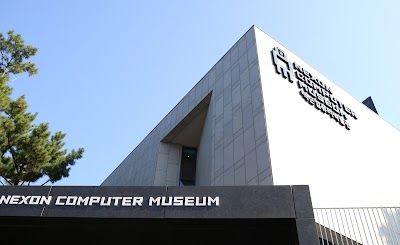
Nexon Computer Museum
Explore gaming history and innovation at Jeju's unique Nexon Computer Museum.
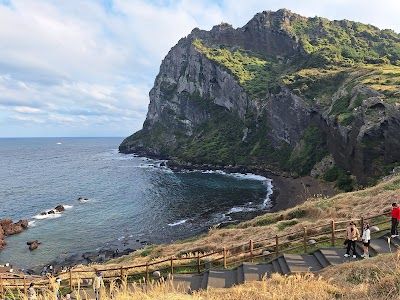
Seongsan Ilchulbong
Witness breathtaking sunrises and unique volcanic landscapes at Jeju's iconic Seongsan Ilchulbong.